The short answer: A retailer's margin requirement is not one universal number. It changes by channel, shelf position, and package architecture, and the markdown plan changes with it. Build a one-page account model before every pitch so you know the economics, and who funds markdowns, before the first PO.
A retailer's margin requirement is not one universal number.
It changes by retailer, category, shelf position, package architecture, and the role your product is expected to play. The markdown plan changes with it.
Founders often build one wholesale price list, add a standard promotion, and assume the account economics will work everywhere. That is how a brand protects margin in one channel, loses it in another, and finds out too late that the first order was supported by an offer it cannot repeat.
Our founder has managed real budgets and launches across consumer categories, and the lesson is simple: design the account economics before the pitch, not after the first PO.
1. The retailer's cut is only one layer
Start with the shelf price, but do not stop at the retailer's expected margin. Your economics may also have to absorb:
- COGS: the product cost that sets your starting point.
- Packaging: the container, label, carton, and case configuration the account requires.
- Freight: the cost of getting product into the retailer's buying system and stores.
- Distributor or broker margin: the portion kept when an intermediary sits between you and the account.
- Promotional allowance: the funding attached to a temporary price reduction or featured event.
- Slotting and first-order costs: account-specific fees, setup costs, or launch allowances.
This is why “keystone pricing,” which means doubling your cost or using a generic wholesale multiplier, rarely survives contact with retail. The problem is not the formula. The formula ignores who else needs to be paid and what the retailer expects to earn when the deal is done. The Retail Pricing Math Most Founders Get Wrong shows the layers with a worked example, and When the Broker Is Doing Your Job covers the commission layer.
Retail price is not the plan. Net account economics are the plan.

2. Margin expectations depend on the channel's business model
There is no reliable universal retailer margin percentage. There are channel patterns.
Mass: Mass retailers compete hard on price and velocity. They may accept a tighter margin percentage than specialty retail, but they expect volume, dependable replenishment, and commercial support. A product that cannot reach a credible shelf price will struggle even if the retailer likes the brand.
Grocery: Grocery typically sits in the middle. The retailer needs enough margin to support regular promotions, category events, and store-level execution. Required economics vary by category: a high-velocity staple is treated differently from a slower premium item.
Club: Club economics often rely on large packs, efficient pricing, and high unit movement. The retailer may work from a thinner markup, but that does not make the deal easy. Your cost structure has to support the pack size, the shelf price, and the account's expectations without constant markdowns.
Specialty and natural: These retailers may support a higher shelf price, but they often ask for more education, demos, sampling, content, and brand support. You may give up less through price and invest more in helping the retailer explain why the product belongs.
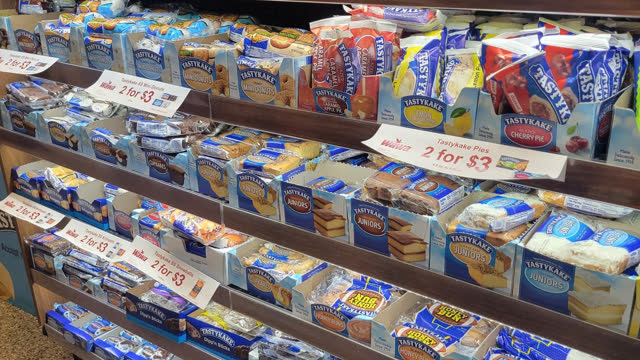
E-commerce and marketplace retail: Digital accounts can promote constantly through coupons, paid placements, deals, and price tests. Those offers work like vendor-funded markdowns. Platform fees and performance spend can replace some of the costs of physical retail, but they still reduce your net margin.
The point is not to memorize a percentage. It is to understand what each retailer's model requires from your product.
3. Shelf position and pack architecture change the deal
A premium SKU at eye level is not the same commercial proposition as an opening-price-point SKU in a value aisle. Shelf position affects visibility and expected velocity. Package size affects the shopper's price comparison. A multipack changes perceived value and may give the retailer room to make a strong offer without cutting the single-unit price as deeply.
Before you pitch, ask:
- Is this product an entry SKU, a premium trade-up, or a basket builder?
- Does the package size make sense for this channel?
- Will the shelf price look credible beside the retailer's current set?
- Does the retailer need a higher margin because the item will move slowly?
- Does the account expect a multipack, bundle, or exclusive configuration?
Retailers do not evaluate margin in isolation. They evaluate the role the product plays on the shelf. That is also why a lean line usually negotiates better than a sprawling one, which we cover in Your Hero SKU Is Lying to You.
If you are not sure which role your product should play in a specific account, grab 15 minutes with us and bring the shelf set you are aiming at.
4. Markdown, promotion, and EDLP are different tools
These terms get used interchangeably. They should not be.
- Markdown: a temporary reduction used to clear inventory, support a seasonal transition, or correct a slower-selling item.
- Promotion: a planned event meant to create incremental demand through a feature, display, coupon, or temporary price.
- Everyday low price (EDLP): a stable price position that reduces reliance on frequent promotional events.
The retailer's model decides which tool matters.
Hi-lo retailers, common in grocery, drug, and parts of mass, often build their calendars around recurring promotional events. They expect the brand to take part through scan-downs, bill-backs, or other funding.
EDLP retailers, including club and some mass accounts, generally expect the price to hold. They may ask for cost relief, pack efficiency, or a stronger base deal instead of repeated temporary discounts.
Specialty and natural retailers often respond better to targeted bundles, new-item trials, demonstrations, and brand education than to constant price cuts.
E-commerce can promote continuously, but those offers have to be funded. A digital coupon is still a cost.

5. Decide who funds the markdown before the account asks
A retailer may expect support through:
- Vendor-funded markdowns
- Scan-downs based on units sold during the event
- MDF or co-op marketing
- Incremental promotional allowances
- Off-invoice discounts or bill-backs
Do not treat these as monthly surprises. Budget them by account.
A common trap is funding a deep discount to secure the first order, then finding out the brand cannot support the same price in the next promotional window. That first offer becomes the shopper's reference point, and sometimes the buyer's expectation. The wider damage is covered in Trade Spend Is Not Marketing.
Protect the brand by setting boundaries:
- Cap the percentage of sales supported by funded promotions.
- Keep the entry SKU's everyday price clean.
- Reserve deeper markdowns for defined seasonal or inventory purposes.
- Avoid training shoppers to wait for the next discount.
- Do not promise a cadence your margin cannot sustain.
Markdown money should create profitable movement, not hide a price architecture that does not work. How to Price a Consumer Product So Retailers Say Yes is the place to fix the architecture first.
6. Build one account model before every pitch
Create a one-page margin and markdown model for each retailer. Keep it simple enough to use in a buyer conversation.
Account: ____________________
Channel role: ____________________
Target shelf price: $________
Required landed cost: $________
Target retailer margin: ________%
Funded promo/markdown rate: ________% of account sales
Expected cadence: ____________________
Floor margin after trade: ________%
Floor price you will not cross: $________
Funding responsibility: Retailer / vendor / shared
Then test the account at everyday price and at the planned promotional price.
If the economics fail, do not solve it by hoping for higher volume. Rework the pack, shelf price, cost, channel, or promotional commitment before you pitch.
At Vantage Business Consulting, our retail readiness work follows this same discipline: buyer requirements have to connect to the product, the margin, and the execution plan. Retail Readiness: The 4 Things Buyers Want to See shows what that first buyer screen looks like.

The takeaway
Your price list should look different by account when the retailer's economics are different.
Mass, grocery, club, specialty, natural, and e-commerce do not run the same business model. They do not use markdowns for the same reason, on the same cadence, or with the same funding expectations.
Build the margin requirement into the pitch. Build the markdown budget into the account plan. Set the floor before the buyer sets it for you.
That is how you protect margin without giving up the retail opportunities that can move the brand forward.