The short answer: Price is not a math problem you solve after the brand is done but one of the first things a shopper reads, telling them what the product is, who it is for, and how good it should be. Choose your price position as part of the brand, and the rest of the plan gets easier.
“How much should we charge?”
It is the question we hear most from founders, and it usually comes at the end. The product is built, the label is printed, and now someone needs a number.
Price tells the story before the label does
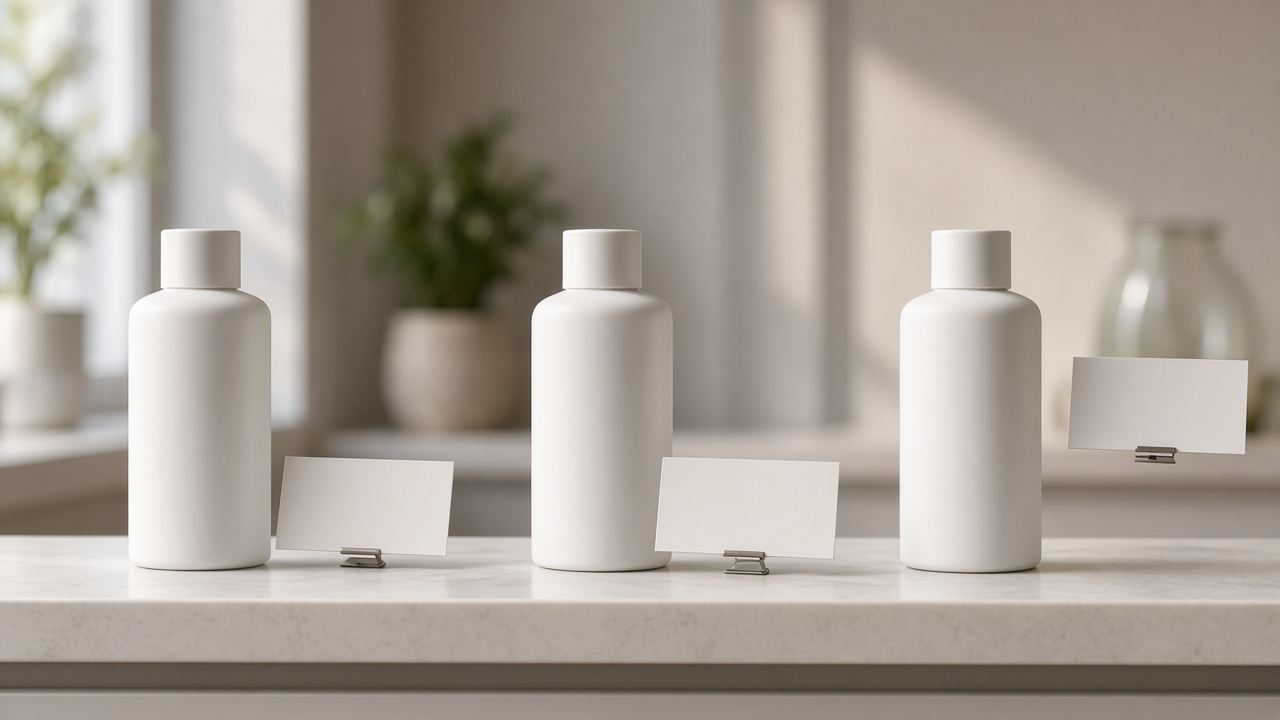
Put three identical bottles on a shelf with three different price tags. Shoppers will assume three different things. The lowest one is basic, the middle one is the safe pick, and the highest one is something special, even though nothing about the bottle changed.
That is positioning. Price sets expectations for quality, for the experience, and for the kind of shopper who belongs with your brand. If the price says premium and the pack, the claims, and the store all say value, shoppers feel the gap. They may not know why, but they hesitate. This matters most for new brands and products, where shoppers have little experience to go on and price is one of the few clues they have. As shoppers get familiar with a brand and its category, price becomes a weaker signal, which is why setting it right at launch matters so much.
Pick a position first
Before you pick a number, pick a position. There are three simple choices.
Value. You win by being the smart, affordable choice. This works when you can make the product efficiently and sell enough volume to earn your margin on a lower price.
Mainstream. You price near the leading brands in your category. This works when your product is clearly as good or better and you can earn your place on the shelf with a strong hero item and good execution.
Premium. You price above the category because the product, the story, or the results earn it. This works when shoppers can see and feel the difference, and when you are willing to keep the packaging, the claims, and the retailers in line with that promise.
None of these is better than the others. The mistake is drifting between them. A brand that is premium in one store, discounted in another, and promoted all year ends up with no position at all.
Build a price ladder
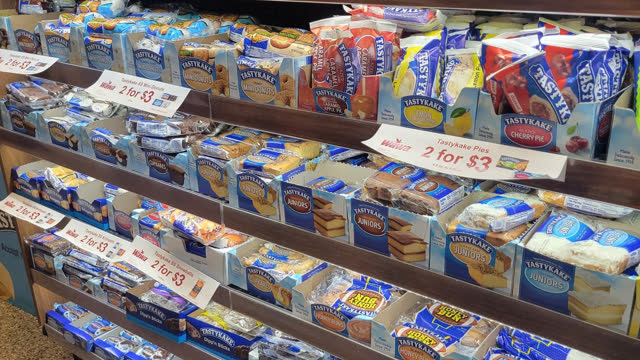
Once you know your position, look at the ladder of products around you. Line up the brands in your category from the lowest price to the highest, and mark where each one sits and what they promise.
Then answer two questions. Where is there room for you? And what do you offer that the products just above and just below you do not?
If your price sits right on top of a strong competitor with no clear reason to switch, you are asking shoppers to take a risk for nothing. If your price is far above the group, you need a clear, believable reason, and you need to say it fast. A good ladder also helps inside your own line. Your good, better, and best items should look and price like a clear step up, not three versions of the same thing.

Check that the rest of the brand agrees
Price has to match everything else. Here is a quick test.
- Does the packaging match the price? Premium prices need premium cues. Value prices need clear, simple communication.
- Do the claims match the price? If you charge more, shoppers expect proof, like ingredients, results, or reviews.
- Does the store match the price? The same item can look expensive in one channel and cheap in another. We cover this in Not All Shelves Are Equal.
- Does the story match the price? Say why the product costs what it costs, in plain words.
If one of these four disagrees with the others, fix it before launch. It is much cheaper to change a label than to change how shoppers see you. Keep in mind, too, that raising a price later is very hard and sometimes close to impossible, so be sure you are not launching at a price that loses money and planning to fix it down the road.
If you want a second set of eyes on your own price position, grab 15 minutes with us and bring your price list and your top three competitors.
Make sure the math works at that position
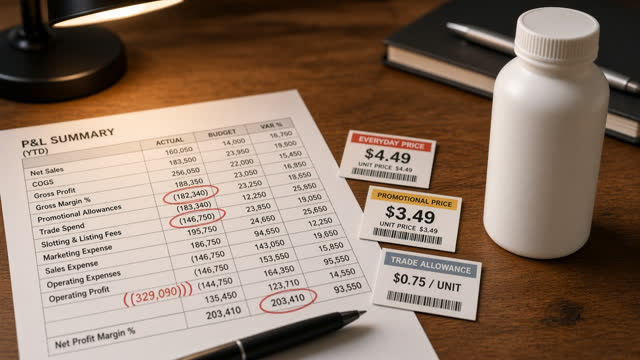
A price position has to pay the bills. Work backward from the shelf price. Subtract the retailer’s margin, any promotions, freight, shipping requirements, and fees, and see what you keep. Then compare that to your cost to make and ship the product.
If the number does not leave enough, you have three choices: raise the price, lower the cost, or pick a different position. Hoping that volume will fix it rarely works. We go through the common traps in Retail Pricing Math Founders Get Wrong, and the retailer side in Retailer Margin Requirements and Markdown Strategy.

The mistakes we see most often
The most common mistake is pricing from cost alone. Cost tells you the floor. It does not tell you what the shopper believes the product is worth.
The second is copying the leading competitor’s price with no reason for a shopper to choose you. Being a little cheaper rarely wins. Being clearly different does. Competing on price is the third rail, so if you choose to go there, be sure you can support it and still make a profit.
The third is discounting to get attention. A deep discount can bring in trial, but it also teaches shoppers to wait for the deal and can lower what they think your product is worth. If you use promotions, plan them as part of the position, with a clear purpose and an end date.

What to do this week
You do not need a big project. Start with three steps.
First, write one sentence that says where you sit: value, mainstream, or premium, and why a shopper should believe it.
Second, line up your top competitors by price and mark the gaps. Decide where you fit and what makes the step up or down clear.
Third, run the four-part check on packaging, claims, store, and story, and then check the math from the shelf price back to what you keep. Fix whatever does not agree before you pitch a buyer or print a label.
When price, product, and story all say the same thing, shoppers understand the brand faster and buyers can see where it fits. That is what a good price position does.
To see how your hero item should anchor the line, read Your Hero SKU Is Lying to You. And to talk through your own pricing with us, grab 15 minutes with us.