The short answer: Promotions are worth running when each one has a clear job, a set end date, and a way to measure what it did afterward. Limit how often and how deep you go, vary the type of offer, protect your hero item's everyday price, and plan the year with your retailer.
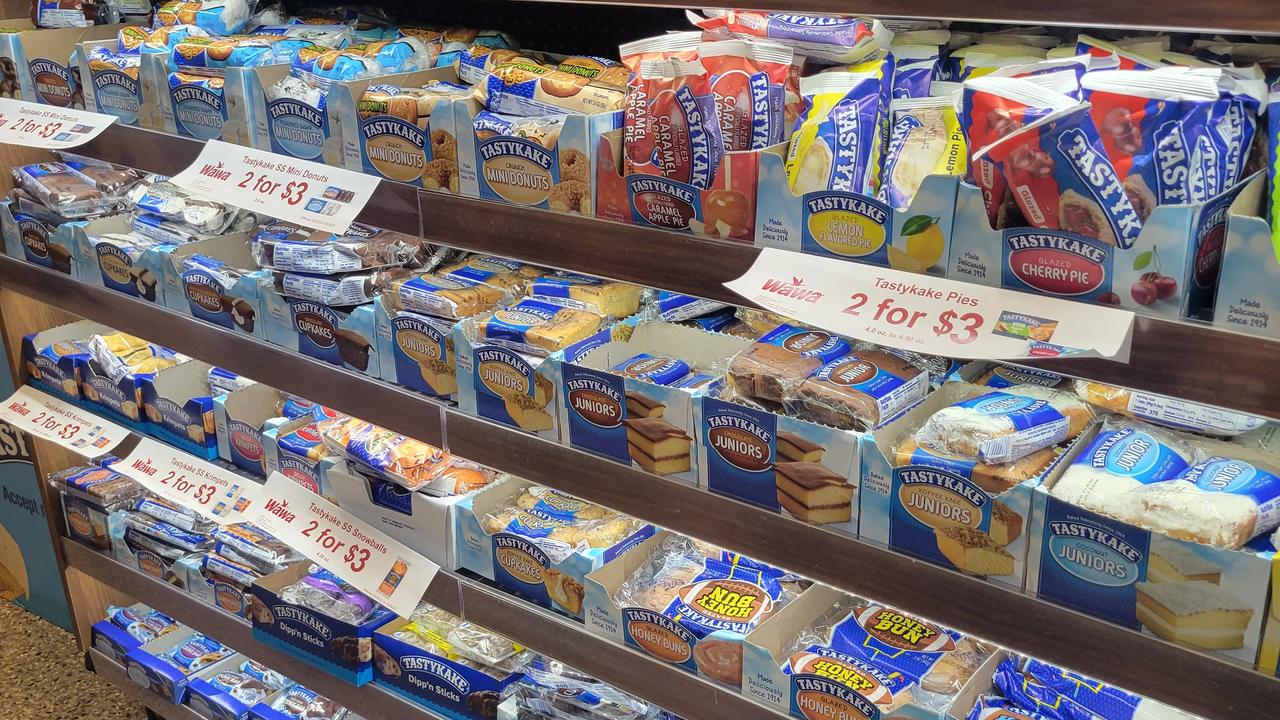
“2 for $3.” A tag like that can move a lot of product in a week. Run it often enough, and it can also teach shoppers that the regular price is for people who did not wait.
That is the promo hangover. The event looks great in the weekly numbers. Then sales dip below where they started, and your margin is thinner than the plan said.
What promotions are actually for
Promotions are not the enemy. A good one does a job the everyday shelf cannot do alone.
- Trial. A lower price lowers the risk of trying something new.
- Getting a new item noticed. A sale tag stands out on a crowded shelf.
- Supporting a feature or display. When you earn an ad or an endcap, an offer gives shoppers a reason to act on what they see.
- Seasonal moments. Holidays, summer, and game days bring shoppers into a category when they are already looking.
- Competitive defense. A well-timed event can keep your shoppers from drifting when a competitor launches.
- Moving the opening order through. The first shipment has to sell through before real reorders start. We cover that window in The First 90 Days on Shelf: What Buyers Watch Before They Reorder.
Each of these is a job with a beginning and an end. Trouble starts when the promotion stops being a tool and becomes the plan.
The hangover: what happens when the deal never ends
Run deals too often or too deep, and the costs pile up.
- Shoppers learn the cycle. If your item goes on sale on a regular rhythm, shoppers notice and wait.
- Baseline velocity erodes. Baseline, what the item sells at full price, is what keeps your slot. As more volume moves to deal weeks, baseline slides.
- The deal price becomes the reference price. If shoppers mostly see the sale price, your regular price starts to look like a markup.
- Forward buying and pantry loading. Shoppers stock up on deal, and retailers may order more at the deal cost. Both pull volume from future weeks.
- Promo spend eats margin. A brand can grow units and lose money doing it.
- Retailers come to expect it. Once the calendar is full of deals, pulling back can look like weak support.
- The brand looks cheap. A product that always wears a sale tag tells shoppers what it is worth.
None of this shows up in the event week. It shows up in the weeks after, which is why it is so easy to keep promoting.

Give every promotion a job and an end date
Before an event goes on the calendar, write down three things: what job it does, when it ends, and how you will know if it worked. “Drive trial with new shoppers during launch” is a job. “Hit the number this month” is not.
Then set guardrails for frequency and depth. How many weeks a year an item can be on deal, and how deep the discount can go, depend on your brand, your category, and how shoppers in that category buy. There is no universal number, so set your own limits on purpose, write them down, and hold them when a slow week tempts you to break them.
Change the mechanic, not just the depth
Not every promotion has to be a deeper cut. Different mechanics do different jobs.
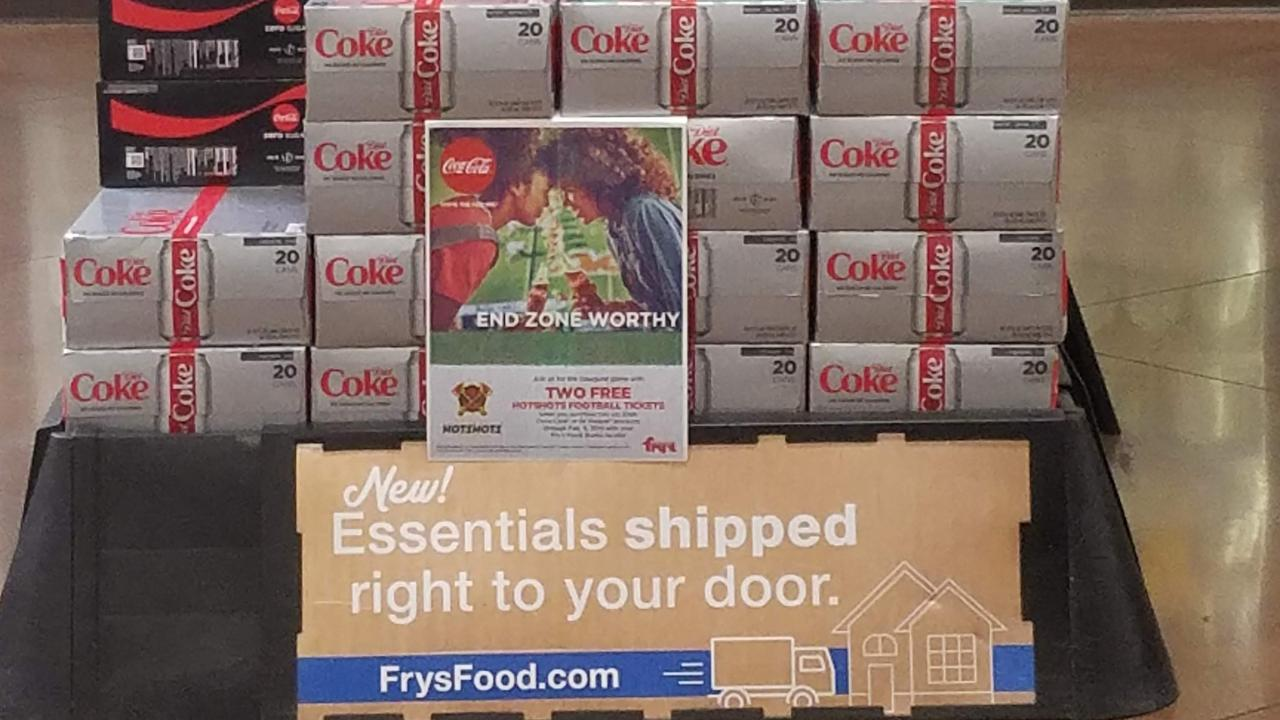
- Multi-buy. Like the “2 for $3” tags in the photo at the top of this post. It can raise units per trip, and it can also pull future purchases forward.
- Temporary price reduction. A straight cut on the shelf for a set period, and the easiest for shoppers to learn and wait for.
- Display or feature without a deep cut. An endcap or ad gets you seen, so the offer does not always need to be deep.
- Coupons and digital offers. These can reach new shoppers while the shelf price stays put.
- Value packs. A larger size or multi-pack gives more for the money without cutting the core item’s price.
- Trial sizes. A smaller, lower-priced size lowers the risk of trying you without discounting the main item.
- Bundles. Pair your item with another from your line to add value instead of taking price away.
Mixing mechanics keeps shoppers from learning one predictable deal.
Protect the hero item’s everyday price
Your hero item pays the bills, and its shelf price is the one shoppers remember. Our founder’s approach is to protect hero SKUs as cash cows rather than dilute them, and that applies to price as much as to line extensions.
In practice, that means promoting around the hero rather than on it constantly. Put trial offers on a new flavor or size, and use value packs and bundles for the deal seeker. Run the hero on deal when there is a real job, then let it return to its everyday price.
Build an annual promo calendar with the retailer
Reactive promotions do the most damage: a slow month, a nervous call, and a deal goes up with no job and no end.
A calendar built with your retailer ahead of the year fixes much of that. Map the seasonal moments in your category, the windows for display or feature support, any launches, and the stretches where items stay at everyday price. Share it with your buyer and agree on what each event is for. A brand with a thought-out calendar is easier to support than one asking for a deal every few weeks.

If you want help building a promo calendar that drives sell-through without living on deal, grab 15 minutes with us.
Measure lift, then baseline, then the true cost
Most brands measure the event week and stop.
- Lift. How many units did the event sell above what you would have sold anyway?
- Baseline after the event. Did sales return to where they were, settle higher, or dip below? A dip often means shoppers stocked up or waited.
- True cost. Add the discount you funded, any fees for features or displays, and the deductions that show up on retailer payments later.
Example math, with made-up numbers: say your item earns you $1.00 per unit at everyday price, and you sell 100 units a week in an account. You fund $0.50 off per unit for a one-week event. On deal, each unit earns you $0.50, and you pay that discount on every unit, including the 100 you would have sold anyway. To earn the same $100 that week, you need to sell 200 units. That is 100 incremental units just to break even, before any feature fee. If sales then drop to 70 units the next week because shoppers stocked up, the event cost more than it looked.
Run a short post-event review every time: what was the job, did it do the job, what was the true cost, and where did baseline land. We dig into how promo dollars hide in the numbers in Trade Spend Is Not Marketing: How Promo Dollars Quietly Kill Your Margin.
Promotions work better when shoppers already know you
Shoppers who already know your brand from a demo, a social post, or a digital ad are more likely to act on a deal, and more likely to come back at full price. Line up demos, social, and digital support with your events, so the promotion converts interest you already built.
A strong everyday price means fewer deals
The best defense against the hangover is an everyday price that already makes sense to shoppers. When the price fits the brand, the value story is clear, and the item holds its own against competitors on the shelf, shoppers do not need a deal to buy. Promotions become a tool you choose, not a crutch. We cover how to set that position in Price Is a Positioning Tool: How to Build It Into Your Brand Strategy.
What to do this week
Start with four steps.
First, list every promotion you ran on each item in the last year, with the mechanic, the depth, and the weeks on deal.
Second, for your last few events, pull sales for the weeks before, during, and after, and see where baseline landed.
Third, write your guardrails: how many weeks on deal per item, how deep, and which items, starting with your hero, stay at everyday price.
Fourth, sketch next year’s calendar with a job and an end date for every event, and bring it to your buyer.
Then look hard at your everyday price. Where does it sit against the competitors on your shelf, what does it signal to shoppers, and does it hold margin in every channel you sell in? Get that position right, and you will need fewer deals to sell through.
To talk through your promo plan, grab 15 minutes with us.