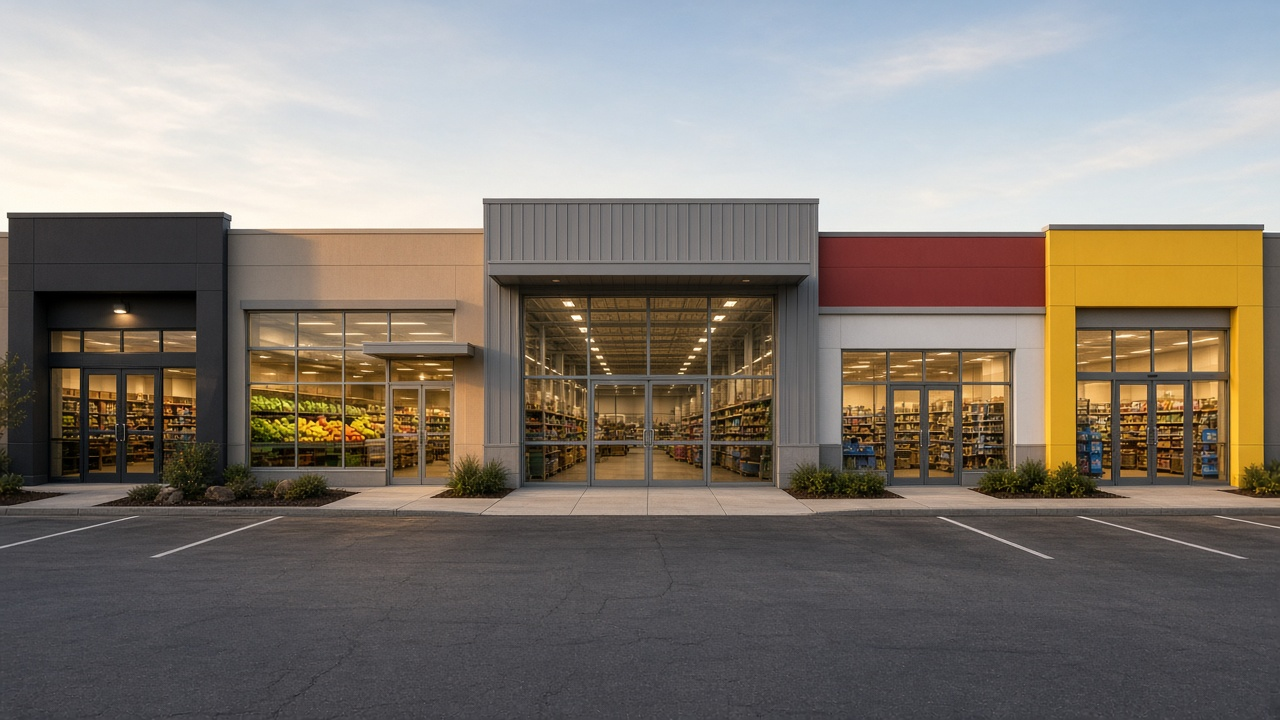
The short answer: Store type decides the shopper's mission, and the mission decides which product should lead, how it should be packed, and what it should cost. Choose the store first, and the hero SKU and the price get much easier to choose.
“We got into retail. Why isn’t it working?”
We hear this a lot, and the answer is often the same. The brand got into retail, but it showed up the same way everywhere. One hero product, one pack size, one price, sent to every kind of store.
Same brand, different shopper
Think about why someone walks into each kind of store.
A shopper at a convenience store is usually in a hurry. They want something now, they want it small, and they will pay more per ounce for the convenience of grabbing it. A grocery shopper is on a planned trip with a list and a budget, and they have time to compare. A warehouse club member is stocking up, and they came for value and a big pack. A drugstore shopper often has a specific need, like a cold, a headache, or a gift, and wants help finding the right thing. A dollar store shopper is watching every dollar and wants a clear price point they can count on.
Same person, different day, different mission. The product that wins in one store can be the wrong product in the next. That is the whole idea, and the rest of this post is how to use it.
Convenience stores: small, fast, and high margin per unit
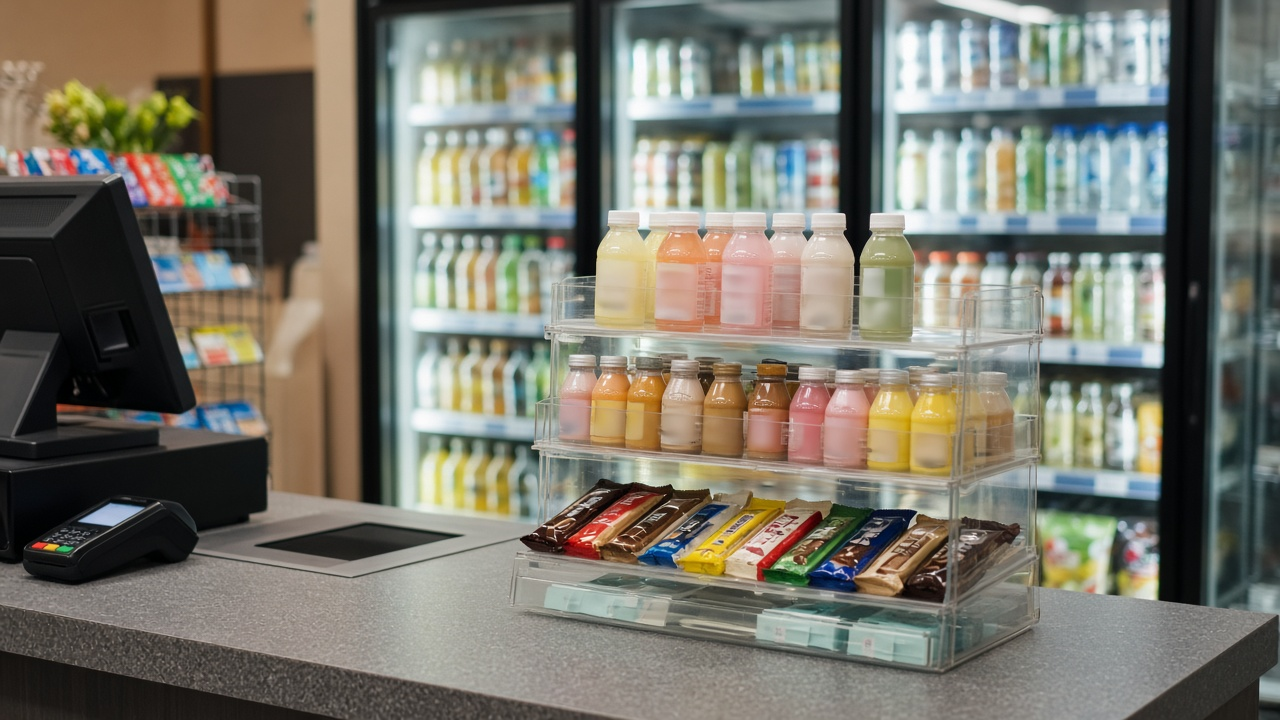
The c-store shopper is buying right now. Single-serve sizes, grab-and-go formats, and impulse items tend to lead. The shelf is small, the cooler is tight, and every facing has to earn its place.
For your hero SKU, think about the product that is easiest to understand in two seconds and easiest to carry out the door. A single bottle, a single bar, a small pack. A six-pack of the same item may be your best seller in grocery and may never fit here.
On price, the c-store shopper accepts a higher price per unit because they are paying for convenience. That does not mean you can price at any number. It means the shelf price should look right next to the item beside it, and the retailer still needs enough margin to keep your item in the cooler. If you want help thinking through that margin, we cover how retailers think about it in Retailer Margin Requirements and Markdown Strategy.
Grocery: the widest shelf and the toughest comparison
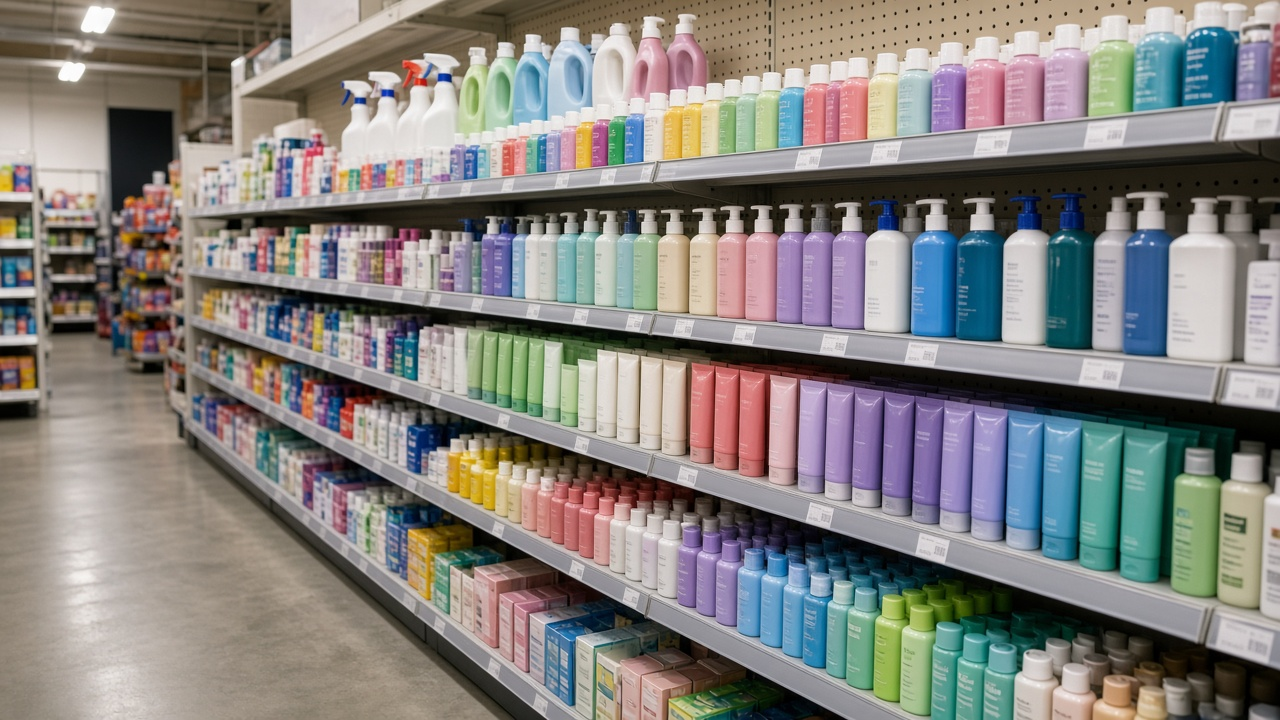
Grocery is where most brands start, and it is the hardest place to stand out. The shelf is long, the choices are many, and the shopper is comparing price, size, and brand all at once.
This is where your hero SKU matters most. Buyers and shoppers need to know in a glance what you are known for. A clear lead item, a few supporting flavors or sizes that make sense, and a price that fits the shelf set. Too many variations and you dilute the one product that was going to earn the spot. We wrote about that problem in Your Hero SKU Is Lying to You.
Grocery also runs on promotion. Plan for it. If you cannot make money when you are on a deal, you are not ready for this channel. Build the promo into your price structure before you pitch, not after.
Warehouse clubs: fewer items, bigger packs, and a different price conversation
Club stores carry far fewer items than grocery, and they usually carry them in larger packs or multipacks. A club buyer is not looking for your full line. They are looking for one or two items that make sense in a bulk format and give the member a clear value story.
That changes your hero SKU. It is often not the item that sells best on a grocery shelf. It may be a larger pack, a bundle, or a club-only configuration. Many brands build a separate pack for club, so the member cannot easily compare it to the same item in grocery.
Price is about the value per unit for the member, and the total is higher because the pack is bigger. Check that your cost structure works at that pack size before you say yes. A big order can still lose money if the larger pack has a different cost, different freight, or different packaging than your standard item.

Drug stores: need-based shopping and a trusted recommendation
In drug, the shopper often has a need, and they may be looking for guidance. They may ask the pharmacist, read the claims on the pack, or choose the brand they recognize. Trust and clear benefit statements matter more here than in some other channels.
Your hero SKU in drug is usually the item that most clearly solves a problem or fits an occasion. The pack should explain itself fast. If the shopper has to work to figure out what your product does, they will pick the one that is easier to understand.
Price in drug can support a bit more premium when the benefit is clear. It still has to sit sensibly beside the competition, and the retailer will care about how your item performs per foot of shelf. The same goes for any channel, but drug buyers are often very focused on that productivity.
Dollar stores: the price point is the product
The dollar store shopper starts with the price. The format, the size, and sometimes even the formula are built around hitting a specific price point. Brands that win here often design a product for the channel, not the other way around.
That is a very different job from selling your standard item at a lower price. If your cost structure only works at your normal price, a dollar store version can quietly lose money on every unit. If you want to be in this channel, plan the pack and the cost around the price point first, and check that you can still earn a margin.
It also raises a brand question. A dollar store pack that looks like a cheaper version of your main item can change how shoppers see the brand in other stores. A separate pack, size, or line name can protect the brand you built.
The cost most brands overlook: how product gets to the store
Every retailer has its own rules for how product must ship to its stores or distribution centers. Case and pallet specifications, labeling, routing, delivery appointments, and lead times all vary by account, and some retailers charge fines when a shipment misses the mark. Store-direct and warehouse-delivered programs can also change who pays for freight and how much handling your product needs.
These costs are easy to miss because they do not show up on the price list. They show up later, as chargebacks, rework, or freight that is much higher than planned, and they can eat a large part of your margin. Ask every buyer for their vendor requirements before you say yes, and build those costs into your math for that channel.
A simple way to choose: mission, hero, pack, price
Before you take a meeting with any retailer, run through four questions for that store type.
- What is the shopper’s mission? Are they in a hurry, stocking up, solving a problem, or hunting for a price point?
- Which one of our items fits that mission best? This is your hero SKU for the channel. It may not be the same hero you lead with elsewhere.
- What pack and size fit the format? Single-serve, standard, multipack, or a channel-specific size.
- What price works for the shopper, the retailer, and us? Work out your own margin after the retailer’s margin, the promotions, freight, shipping requirements, and any fees before you pitch.
That fourth question is where most founders slip, and the arithmetic behind it is the subject of The Retail Pricing Math Most Founders Get Wrong Before They Launch.
Write those four answers on one page for each store type. If a channel does not work on paper, it will not work on the shelf. That is a much cheaper way to find out.
If you want a second set of eyes on your own version, grab 15 minutes with us and bring your item list and current pricing.
The mistake we see most often
The most common mistake is treating every retailer as a version of the first one. A brand gets a win in grocery and then sends the same item, same pack, and same price to a club buyer, a drug buyer, and a dollar store buyer. Each of those buyers is looking for something different, and the brand ends up with a weak pitch to all of them.
The second mistake is saying yes to a channel before checking the math. A large order feels like a win. If the pack, the price, and the freight do not work, it is an expensive way to learn that lesson. Our founder has seen that play out more than once, and the pattern holds no matter how big the retailer is.
Third, many brands skip the question of what each channel does to the brand itself. A discount channel can reset a shopper’s idea of what your product is worth. That does not mean you should avoid it. It means you should decide on purpose, with a pack and price that protect the brand.
What to do this week
You do not need a big project. Start with three steps.
First, list the store types you sell to, or want to sell to. Be honest about which ones are real and which ones are wishes.
Second, for each one, write the four answers: mission, hero SKU, pack, and price. If you cannot answer one, that is your homework before the next buyer meeting.
Third, check the math on each channel, from the shelf price back to what you keep. Include the retailer’s margin, promotions, freight, shipping requirements, and fees. If a channel does not leave you enough, change the pack or the price, or pass for now.
A strong retail plan is not about being in every store. It is about being the right product, at the right price, in the stores where that product makes sense. When you get that right, the buyers can see it, and the shoppers can too.
For a look at what buyers want to see before they say yes, read Retail Readiness Strategy: The 4 Things Buyers Want to See Before They Say Yes. And to talk through your own channel plan with us, grab 15 minutes with us.