The short answer: Gen Z uses digital to build the shortlist and the shelf to make the final cut, so brands that grew up DTC-first must win in seconds in the aisle. Design the pack for fast recognition, build an impulse-friendly price ladder, earn the stop, and connect the proof shoppers saw online.
The most online generation is walking back into stores.
That is not a retreat from digital. Gen Z uses a phone to decide where to go, what to look for, and which products deserve attention. Then more of them finish the purchase in the aisle. The screen is where the shortlist gets built. The shelf is where it gets cut.
For a founder whose brand grew up on a product page, that changes the job. Your shelf is no longer just a place to distribute. It is a place to be discovered, and it will judge you in seconds.
What the numbers say
Start with what the research shows, and keep it in proportion.
Forbes Business Council reports that 64% of Gen Z prefers in-store shopping. USA TODAY reported that shoppers ages 18 to 24 made 62% of their general merchandise purchases in stores, against 52% for shoppers 25 and older, and that indoor mall traffic rose 4.5% in January and February 2026 compared with the same period a year earlier. Research from Sunnie and Westfield Rise found that 73% of Gen Z women surveyed named the mall as the top place they go to spend time with friends. And Fortune noted that roughly 200 malls have closed since 2008, while the values of the surviving high performers rose 13% over the past year.
One caution: these figures cover general merchandise and mall traffic, not supplements or beverages specifically, and none of them says digital is fading. They say stores are social again and young shoppers go there on purpose. Our read is that the shelf is turning back into a discovery channel, and brands that treat retail as a place to park inventory will lose to brands that treat it as a place to win a decision.
What this means if you built the brand DTC-first
A product page gives you everything a shelf does not: a hero image, a headline, an offer, reviews, a comparison chart, retargeting, and as long as you want to explain yourself.
A shelf gives you a few seconds, a facing about the width of your hand, and a competitor on each side.
Not a scroll, but a shelf. Not unlimited context, but a glance. Not a long product page, but a package that has to earn attention next to brands that have been there for years.
If your brand only works when a founder, a creator, or a landing page explains it, retail will find that out fast. It will find it out in sell-through, which is the number the buyer and your cash flow both depend on. Picture a hypothetical supplement founder with a strong subscription base and a pack that reads fine on a phone. On a shelf it says “wellness blend” in small type and shares a color with three neighbors. Online that line never had to work. In the aisle it is the whole sale.
We see four fixes come up over and over. None requires a rebrand.
1. Design the pack for recognition in three seconds
A shopper two arm lengths away should be able to say three things quickly: what it is, who it is for, and why it is different.
That takes visual hierarchy. The category has to be readable. The main benefit cannot be buried on a side panel. Variants need to be easy to tell apart without making the shopper study every face.
This does not mean louder. It means clearer. A DTC customer forgives a busy design because the page does the explaining. A store shopper puts it back.
Run a cheap check first: print the front panel at actual size, set it next to three competitors, and ask five people who have never heard of you to point to the one that matches a described need. If they cannot, fix the pack before you fix the pitch. Amazon Taught Shoppers One Habit Retail Still Has to Win covers the same logic from the search side, where naming and the first image do the work.
2. Build a price ladder that fits impulse buying
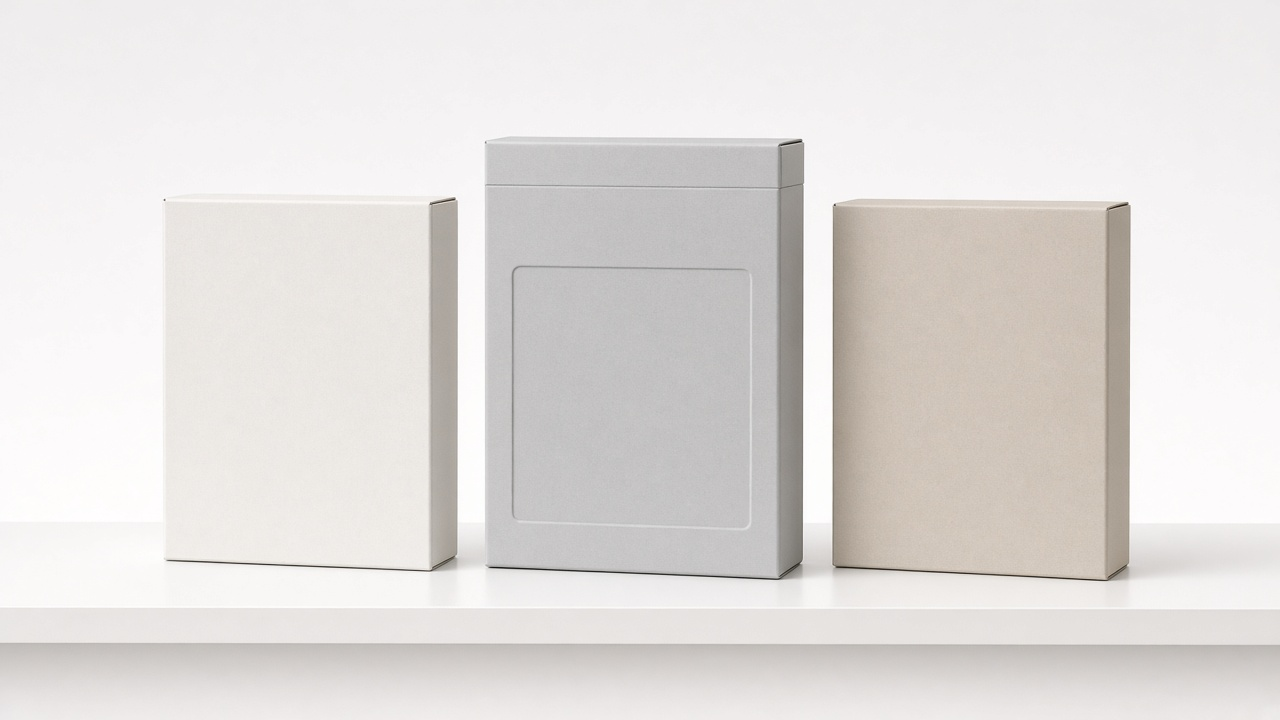
In-store decisions are faster and lower-commitment than a considered online purchase. Your range has to support that, with a ladder a shopper can climb without thinking too hard:
- An accessible entry SKU: a low-risk way to try the brand.
- A core SKU: the product with the clearest value and repeat potential.
- A premium or bundle option: a larger, multi-pack, or gift-ready item that supports margin and trade-up.
The goal is not to discount everything. It is to give the shopper a logical way in and a clear reason to move up.
Here is the catch for DTC brands. The math has to work at wholesale, not just at your website price. Take a hypothetical $24 DTC item (illustrative numbers only). If the shelf price lands at $18 and the retailer needs a real share of that, what comes back to you can be a fraction of what you earn online, before freight, trade, and markdown support. That is not a reason to skip retail. It is a reason to run the numbers first. We walk through the full stack in The Retail Pricing Math Most Founders Get Wrong and How to Price a Consumer Product So Retailers Say Yes.
Format matters by category. Supplements and beverages often benefit from trial sizes or single-serve formats. Food has to make basket inclusion easy. Home fragrance needs to support both a first try and a gift. Launch lean: one clear item with a clean facing beats six that blur together, the point of Your Hero SKU Is Lying to You.
3. Make the shelf worth stopping for
Social attention does not turn into shelf traffic by itself. If the product is hard to see, poorly faced, or visually disconnected from what shoppers saw online, they will not make the link.
Our founder spent time at Bath & Body Works, where the store was the whole business and every item had to earn its space by moving. The lesson carries to any brand: merchandising is not decoration. It is the reason to pause.
What that looks like by category:
- Beverage: a cold, highly visible display tied to a moment of use.
- Food: placement that supports a meal, a snack, or a get-together.
- Home fragrance: a way to smell it, and gifting context, not a static row of jars.
- Supplements: clear, plain proof next to the product, not a wall of claims.
A display that looks good in a photo also does some of the marketing for you.
You do not need a flashy program to start. Ask the buyer which tools the account supports, then price them in as we describe in Trade Spend Is Not Marketing: a decision on the P&L with a defined return, not a hopeful extra.
If you are building a first retail plan and are not sure which of these to fund, grab 15 minutes with us and bring your pack and your price list.
4. Connect the proof they already saw online
Do not pull spend out of digital because Gen Z is going back to stores. That is the wrong read.
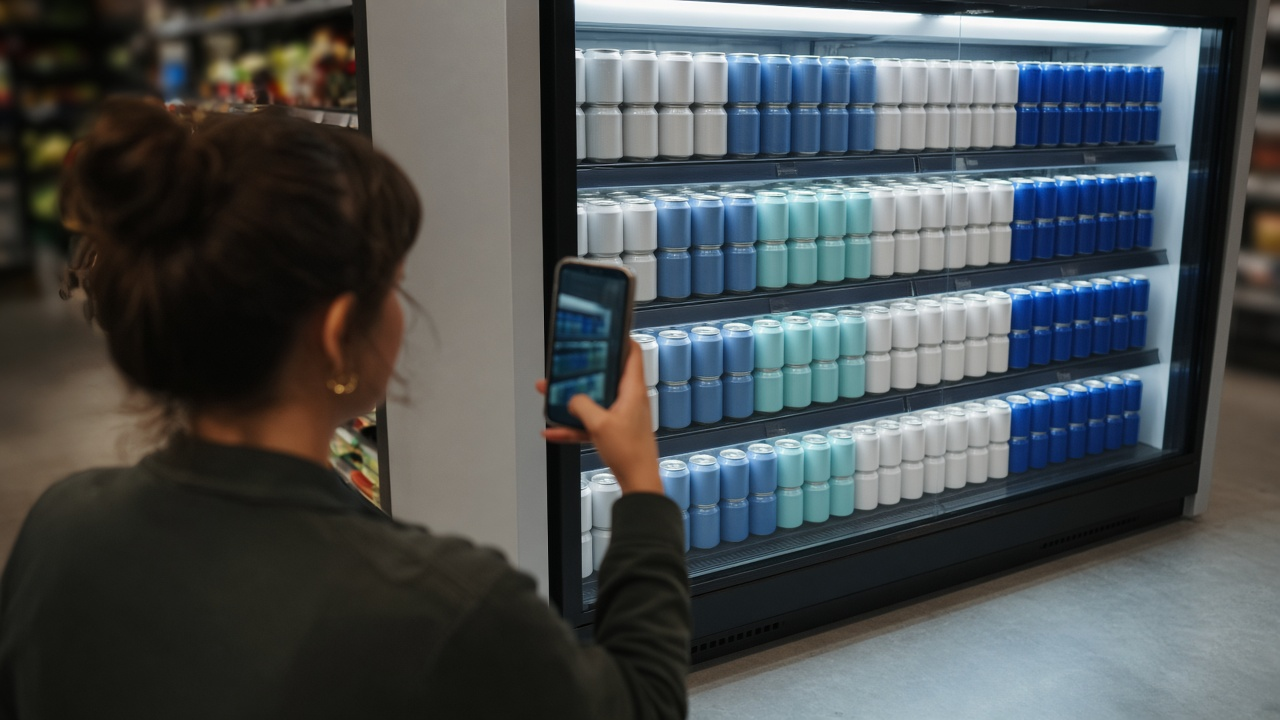
The brands that win this cycle will connect the two. Digital builds the interest. The shelf confirms the decision. And the shelf should make it easy for a shopper to find again the proof they saw on their phone.
Practical ways to do that:
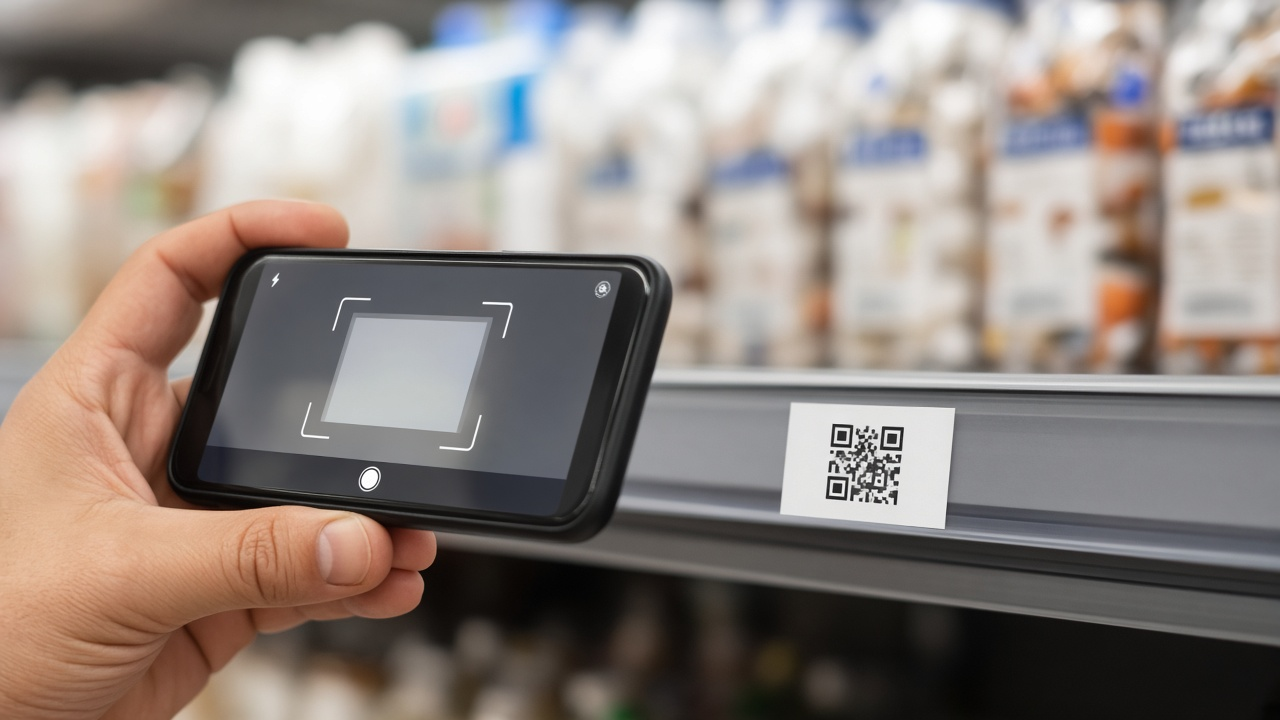
- A QR code that leads to reviews or product education, not just the homepage.
- Review excerpts or social proof near the point of decision.
- Creator content that shows where to find the product.
- Retail media and retailer search that reinforce what is on the shelf.
Do not add technology for its own sake. The point is a continuous handoff: the pack and the display say what the shopper saw on the screen, in the same words. If the creator says “no crash” and the pack says “balanced energy blend,” you have lost the thread.
Your DTC data helps most here. Your best-selling variant, your top review themes, and the questions customer service hears most are the raw material for the pack, the display, and the buyer pitch. Our view in Channel Sequencing: DTC-First or Retail-First is that DTC should earn the right to open retail.
Audit your shelf like a first-time shopper
Retail is not replacing digital. It is making physical execution matter again.
Before you pursue a retail opportunity, recreate the shelf. Put your product beside real competitors, step back several feet, and give yourself fewer than ten seconds. Then answer six questions, from the shopper's point of view:
- Can a shopper find the product quickly?
- Can they understand it without anyone explaining it?
- Can they see the price and the value?
- Does the packaging look credible next to the products around it?
- Is there a reason to stop, try, or share it?
- Does what they see here match what they saw online?
If the answer to any of them is unclear, more ad spend will not fix it. The product, packaging, price ladder, and merchandising need work first. That work belongs ahead of the buyer meeting, which is the point of Retail Readiness: The 4 Things Buyers Want to See.
At Vantage Business Consulting, we help consumer brands connect pricing, packaging, and go-to-market decisions to what happens on a real shelf. If you built your brand online and are heading into stores, start with the audit above, then bring us what you find.