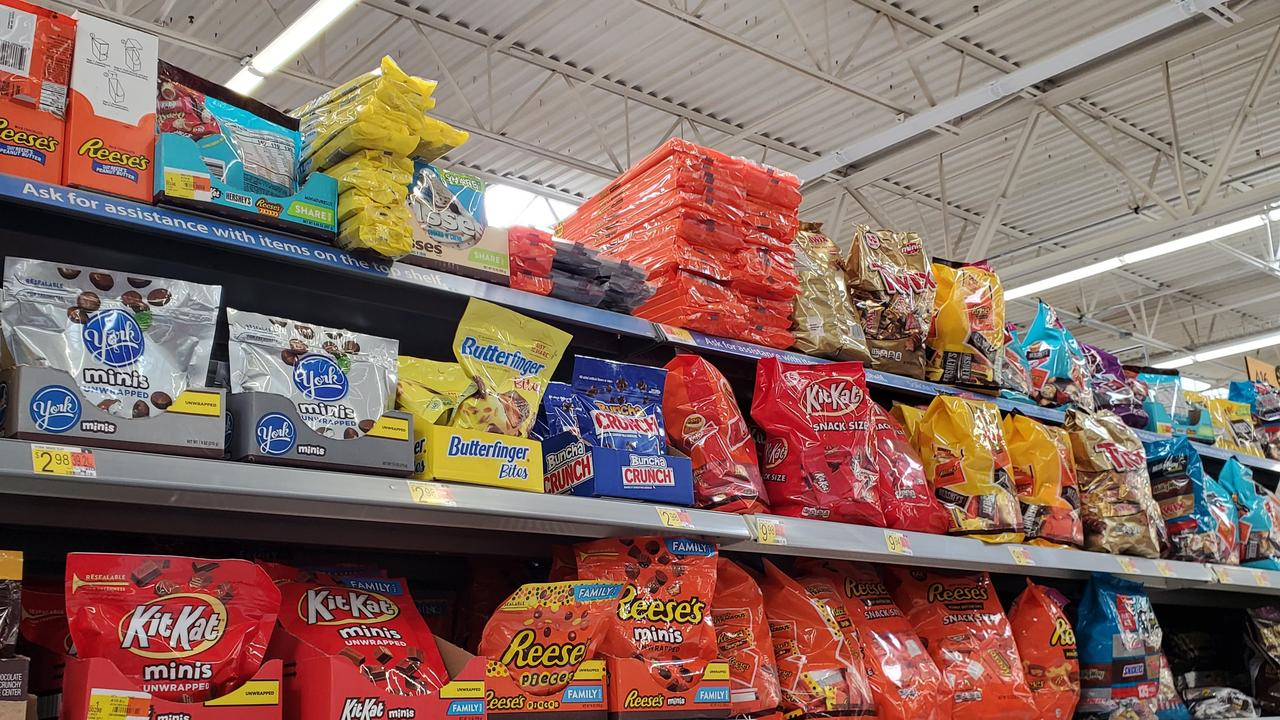
The short answer: Size your first rollout to what you can fund, make, ship, market, and support well, not to the biggest number a buyer offers. For many early brands that means a region or set of stores that match your shopper, proving velocity there, and expanding on clear milestones. The point is to choose on purpose.
“We can give you every store.”
Few sentences sound better to a founder. A national authorization feels like proof that the brand has arrived. It can also be the moment the business takes on more than it can carry.
What a national authorization really multiplies
More stores means more sales potential, and every cost and risk multiplied by the store count.
- Inventory and working capital. Every store needs an opening order, and every distribution center needs stock behind it. You pay for all of it before shoppers buy any of it.
- Slotting or new-item costs. Where they apply, they scale with stores and items.
- Promo and marketing commitments. A promotion or a launch program has to cover every store you are in, not just the ones near your loyal shoppers.
- Supply chain and fill-rate risk. A production hiccup that would be an annoyance in a small region becomes short shipments across the chain.
- Store-level execution you cannot see. Product stuck in the back room, a missing shelf tag, or a misplaced slot, multiplied by hundreds of stores you will never visit.
- The chance to fail loudly. If the item struggles, it struggles in front of the whole chain, and that record follows you into the next conversation.
None of this means national is wrong. It means national is a bigger bet than it looks on the day you get the yes.
What regional-first buys you
Starting in a defined region or store group trades speed for learning.
- Proof of velocity. A smaller rollout gives you clean data on how fast the item sells per store, which is the number every buyer asks about next.
- Time to fix execution. You can find out where shelves go empty, where tags are missing, and where shipments run late, then fix it while the problem is still small.
- A clearer read on the shopper. You learn who actually buys, what they pay, and what brings them back.
- Concentrated marketing. Local digital ads, in-store demos, and local creators can all be aimed at the stores where you are sold.
- A story to sell the next region. Strong results in one region are the best pitch for the next one, with the same buyer or a different one.

The costs of starting small
Regional-first has real downsides too.
- Slower scale. Revenue grows more slowly, which matters if investors or lenders expect a fast ramp.
- A competitor may move first. While you prove the item in one region, someone else may take the national slot.
- Some buyers want national programs. Not every buyer will carve out a region, and some will see a smaller ask as a smaller commitment.
- Higher cost per unit. Smaller production runs and smaller shipments can raise your cost per unit until volume builds.
- Lost momentum. A test that drags on without a plan can stall the team and the story.
Eight factors that should size your rollout
Be honest about each one.
- Cash and working capital. Inventory ties up cash from the day you pay your manufacturer. Carrying it costs money too: storage, insurance, the cost of the capital, and the risk of product aging. Retailer payment terms can stretch the wait for cash even further. The bigger the rollout, the deeper that hole.
- Production capacity and lead times. Can your manufacturer make enough for the opening orders and the reorders, on time, without shorting you when volume jumps?
- Distribution. How many distribution centers does the rollout touch, and can your distributor or logistics partner reach them reliably?
- Marketing budget per store. Divide your launch budget by the store count. If the answer is too thin to drive trial anywhere, the rollout is too big for the budget.
- Field coverage. Who will check the shelves? If no one can visit or audit most of your stores, you are relying on hope.
- Shelf life. A short shelf life makes slow sell-through expensive. Product that ages out on the shelf or in a warehouse is cash you will not get back.
- Category seasonality. Launching just before a slow season can make a good item look weak. Time the rollout so early weeks land when shoppers are buying.
- The retailer’s appetite. Some buyers are open to a test. Others want all stores or none. Know which conversation you are in.
A simple sizing check
Here is a rough way to see how much cash a rollout ties up. The numbers below are made up for illustration only. Use your own.
Say the buyer wants an opening order of 12 units per store, you expect 2 units per store per week, and you want 8 weeks of backup stock in your own warehouse. Say each unit costs you $4 landed.
- 60 stores: 720 units of pipeline fill plus 960 units of backup stock is 1,680 units, or about $6,720 tied up.
- 300 stores: 3,600 units plus 4,800 units is 8,400 units, or about $33,600.
- 1,500 stores: 18,000 units plus 24,000 units is 42,000 units, or about $168,000.
Now add the wait. If payment terms in this example were 60 days, you would fund all of that, plus carrying costs, for two months or more before the first payment arrives. And remember that the opening order is pipeline fill, not shopper demand. Only sell-through brings reorders. We walk through the full math in How to Build a Launch Forecast That Buyers and Lenders Will Both Believe.
If you want a second set of eyes on your rollout math before you answer a buyer, grab 15 minutes with us.
How to ask a buyer for a phased rollout
A buyer offering more stores than you can support is paying you a compliment. Present your counteroffer as a plan, not a retreat.
- Lead with the shopper. Propose stores or a region where your shoppers already are, and explain why the item should sell there.
- Name the milestones. Tell the buyer what results would justify more stores, and by when.
- Show the support. Spell out the marketing, demos, and field coverage the test region will get. A focused plan is easier to believe than a thin national one.
- Make expansion easy. Have the next wave of stores, inventory, and support planned so the buyer can say yes quickly when the numbers come in.
Picking your first region
Start where your odds are best, not where it is most impressive.
- Where your shoppers already are. Look at where your online orders, social followers, or current stores cluster.
- Where you can support it. Choose stores your distributor reaches well, your field team can visit, and your marketing can cover.
- Stores that match your shopper. A premium item belongs in stores where shoppers pay for premium. Match the store mix to the person you built the product for.

Set the milestones before you expand
Decide your expansion rules before the first shipment, so excitement or panic does not decide for you.
- Velocity against the category. Units per store per week should hold up against comparable items, not just against your own hopes.
- In-stocks. Strong sales with frequent empty shelves is a supply problem to fix before you add stores.
- Baseline after promotions. Watch what the item sells once a promotion ends. Lift that disappears afterward is not a reason to expand.
- Sell-through, not pipeline fill. Reorders should come from shoppers buying, not just from filling new shelves.
A simple rule: expand when the item meets these marks for several weeks in a row, and hold when it does not. We cover what buyers watch in those early weeks in The First 90 Days on Shelf: What Buyers Watch Before They Reorder.
What to do this week
Start with four steps.
First, run the sizing check for two or three rollout sizes, and write down the cash each one ties up, including carrying costs and payment terms.
Second, ask your manufacturer and distributor what volume and reach they can actually deliver, and by when.
Third, divide your marketing budget and field coverage by each store count, and see where the plan stops being real.
Fourth, write your expansion milestones down before you talk to the buyer.
Then step back and pressure-test the whole launch plan, not just the store count. Are you ready for the shelf, is the money in place, can you make and ship enough, and can you support the stores you take on? The right rollout size is the one all four answers can carry. For the readiness side, see Retail Readiness Strategy: The 4 Things Buyers Want to See Before They Say Yes.
To talk through the right size for your first rollout, grab 15 minutes with us.