The short answer: Retailers will not set you up as a vendor until your insurance matches their requirements, which usually means general liability with products coverage, a certificate of insurance, additional insured status and a vendor’s endorsement. Binding policies can take longer than expected, so check with a licensed insurance broker early.
Landing a large retailer is a milestone. Then the supplier agreement arrives, and somewhere in the middle is a section on insurance that can stop your launch cold if you are not ready.
At Vantage Business Consulting, we treat insurance as part of retail readiness, not paperwork for later. Retailers will not set you up as a vendor until your coverage matches their requirements, and getting the right policies bound can take longer than founders expect.
A quick caution: this post is general information, not legal or insurance advice. Every retailer, category, and policy is different. Talk to a licensed insurance broker and read your actual supplier agreement before making decisions.
Product Liability: The Foundation
Almost every retailer starts with commercial general liability (CGL) insurance that includes products and completed operations coverage. In plain terms:
- General liability covers claims of bodily injury or property damage connected to your business operations.
- Products and completed operations covers claims arising from the product itself after it leaves your hands. A consumer gets sick, has an allergic reaction, or a candle causes a fire.
For a consumer products brand, products coverage is the part that matters most. Make sure your policy includes it and that the limits match what the retailer requires.
What Retailers Typically Require

Requirements vary by retailer, but they tend to follow a pattern. Look for these in your supplier agreement:
- Minimum coverage limits. The agreement states the per occurrence and aggregate limits you must carry. For large national retailers, these commonly start at seven figures, as the Walmart example below shows. Read the exact numbers in your agreement rather than relying on what another brand told you.
- Certificate of insurance (COI). A one page document from your insurer or broker proving your coverage. Retailers usually want it before vendor setup and again every renewal.
- Additional insured status. The retailer is named as an additional insured on your policy, so your coverage protects them if a claim involving your product names them too.
- Vendor’s endorsement. Also called a vendor’s or vendors endorsement, it extends your products coverage to the retailer as a seller of your goods. Some retailers specify exact endorsement wording.
- Insurer quality. Some agreements require your insurer to meet a minimum financial strength rating.
- Notice of cancellation. Retailers may require notice if your policy is cancelled or changes.
Example: Walmart. Walmart’s supplier requirements give a sense of scale. Key limits include:
- Per occurrence: at least $1,000,000
- General aggregate: at least $2,000,000
- Product liability: general liability must include product liability tied to Walmart’s category-specific matrix, ranging from $1 million to higher limits depending on the product type.
Requirements change, and your category may require more, so confirm the current numbers in your own supplier agreement.
If anything in the insurance section is unclear, send it to your broker before you sign.
Recall Insurance
General liability typically does not pay to pull your product off shelves. Product recall insurance (sometimes called contamination or recall expense coverage) can help with costs like retrieval, disposal, notification, replacement product, and in some policies lost profits or retailer charges.
Some retailers require it. Even when they do not, a recall can be existential for a small brand. Ask your broker what recall coverage costs for your category and what it actually covers, because policies differ widely.
Umbrella Coverage
An umbrella or excess liability policy sits on top of your primary liability coverage and adds limits above it. Many brands use an umbrella to reach a retailer’s required limits more affordably than buying very high primary limits. Confirm the umbrella follows the same terms as the underlying policy and that additional insured status carries through if the retailer requires it.
Not sure your coverage lines up with your retail plan? Grab 15 minutes with us →
Your Co-Manufacturer’s Coverage Is Not Yours
Founders often assume their co-manufacturer’s insurance protects them. It usually does not, at least not fully. The co-man’s policy protects the co-man. Your brand name is on the package, and the retailer’s agreement is with you.
What you can do:
- Ask your co-manufacturer for their COI and request to be named as an additional insured on their policy.
- Check your manufacturing agreement for indemnification and insurance clauses.
- Carry your own products coverage regardless. Retailers will require it from you.
Cargo and Inventory Coverage
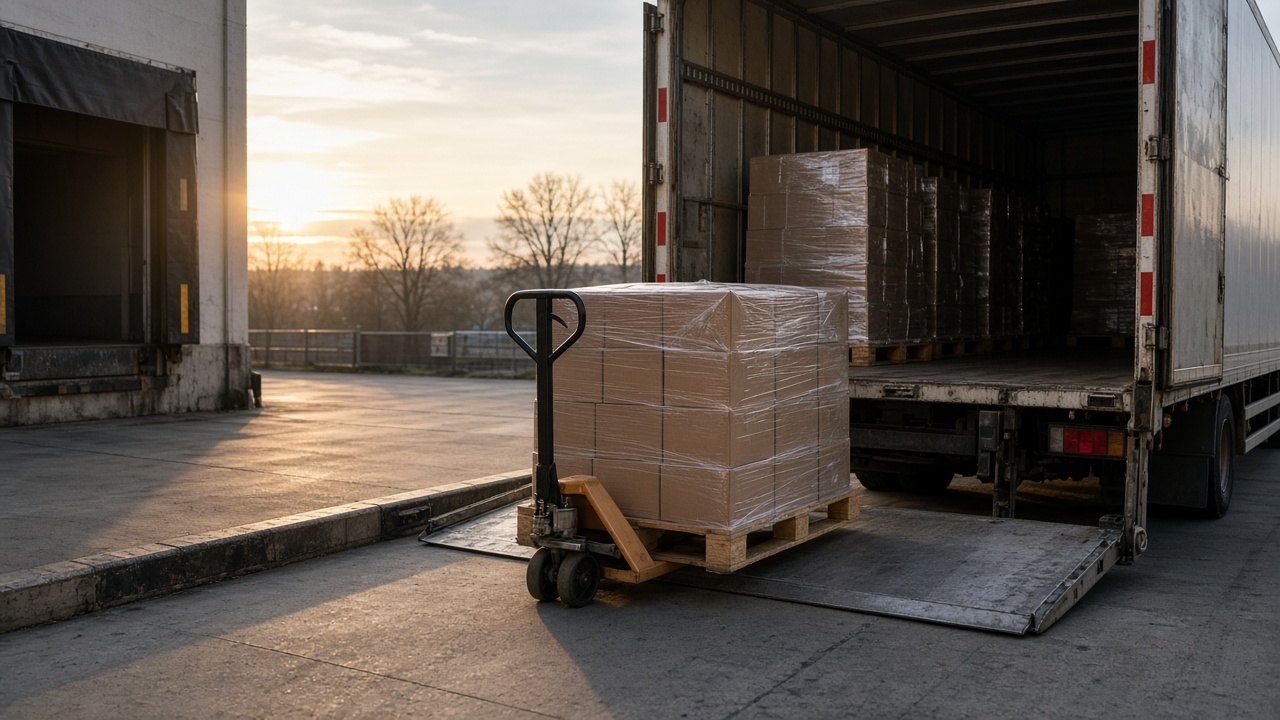
Your product is worth money long before it sells. Inventory sitting at a co-man, a third party warehouse, or in transit to a distributor can be damaged, lost, or stolen. Cargo or inland marine coverage protects goods in transit, and property or stock coverage protects inventory in storage. Check what your warehouse and freight partners cover, because it is often limited.
How Requirements Show Up in Vendor Setup
Insurance is usually one of the first checkpoints in a retailer’s vendor onboarding. You submit a COI with the right limits, additional insured wording, and endorsements. If anything is missing or wrong, the vendor setup stalls until it is fixed.
That delay can push back your first purchase order, your set date, or your place in a planogram reset. When you are planning launch timing, as we cover in our post on sizing your first retail rollout, build in time for insurance. Start the conversation with your broker as soon as a buyer shows real interest, not after the agreement arrives.
What Drives the Cost
Premiums depend on many factors. The main drivers tend to be:
- Category risk. Supplements and other ingestibles carry risks of illness, allergic reaction, and claims scrutiny. Candles and home fragrance carry fire and burn risk. Beverages and foods carry contamination and allergen risk. Insurers price these differently.
- Sales volume. Many products policies are rated on revenue, so premiums often rise as you grow.
- Claims history. A clean record helps. Prior claims raise costs.
- Quality controls. Documented testing, supplier qualification, labeling review, and lot traceability can help your application.
- Limits and deductibles. Higher limits and lower deductibles cost more.
Work With a Broker Who Knows CPG

Not every insurance broker understands retail supplier agreements. Look for an independent broker with consumer products clients in your category who can read your agreement, explain the endorsements, and shop multiple carriers.
Note that an insurance broker is different from a retail sales broker. We cover the sales side in our post on choosing reps and brokers.
Questions to ask a prospective insurance broker:
- Do you work with other brands in my category selling into large retailers?
- Can you review my supplier agreement and confirm the policy meets it?
- How quickly can you issue a COI with additional insured and vendor’s endorsements?
- What does recall coverage look like for a brand my size?
Budget It Into the P&L
Insurance is a real operating cost, not a one time fee. Get quotes early and build the premium into your financial model next to freight, trade spend, and other overhead. When you work through your pricing, as in our post on shelf price margin math, make sure the margin left after the waterfall can carry insurance along with everything else. Remember that premiums often scale with revenue, so a big retail win can raise your renewal.
What to Do This Week
- Pull out any supplier agreement you have and highlight the insurance section.
- Ask your current insurer or broker for a copy of your policy and your COI.
- Confirm you have products and completed operations coverage.
- Request your co-manufacturer’s COI and ask to be named additional insured.
- Ask a CPG savvy broker for quotes on umbrella, recall, and cargo coverage.
- Add insurance premiums as a line in your retail launch budget.
Insurance will never be the exciting part of a retail launch. It is one of the parts that can stop the launch if it is missing.