The short answer: GLP-1 drugs are moving supplement dollars, not shrinking the category; NielsenIQ shows weight-management supplement sales down 22% year over year. Our read: established brands should reposition, consolidate or exit weight-loss SKUs, build compliant nutrition-support offers, and audit every claim with counsel.
At Vantage Business Consulting we work with supplement brands already on shelf and defending margin. This is the first post in our Our Read series.
What is happening
Reported facts, with sources linked:
- In a KFF Health Tracking Poll published Nov 14, 2025, 12% of US adults said they currently take a GLP-1 drug and 18% said they have ever taken one.
- Nutritional Outlook’s Nicholas Saraceno reported on Sept 10, 2026 that SPINS data presented by Scott Dicker shows 21% of households include a GLP-1 user. Those households cut grocery spending by 6% while buying more protein, fiber, produce and electrolytes, and 80% of users report taking a companion supplement.
- In the same report, protein and performance nutrition account for 45% of total supplement growth, growth in active nutrition is coming almost entirely from hydration and creatine, weight-management formulas are down 7% in units, and weight loss at the department level is declining at a low double-digit rate.
- NutraIngredients’ Stephen Daniells reported on Sept 18, 2025 that NielsenIQ shows weight-management supplement sales down 22% year over year, and weight-management supplement use by GLP-1 users down 54%, while their digestive purchasing is up 52%. The same piece notes GNC, The Vitamin Shoppe and iHerb moved early to talk about GLP-1 side-effect support.
- On claims, SupplySide Supplement Journal’s Rachel French reported in May 2025 that FDA had issued only one GLP-1-related warning letter to a supplement seller, a December 10, 2024 letter involving “better than Ozempic” and false FDA approval claims. The FTC’s Health Products Compliance Guidance still requires competent and reliable scientific evidence for health claims, including implied ones.
Why it matters on the P&L
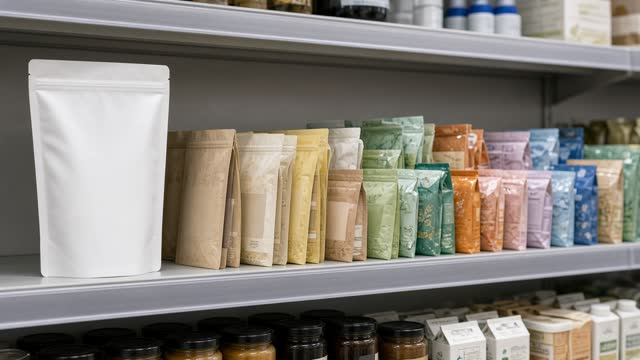
Shelf sets and velocity. When a sub-category falls in units, buyers notice at reset. Weight-management SKUs with slowing turns are the first candidates to lose facings. Read what buyers watch before reorder.
SKU rationalization. Concentrated growth hides a tail of SKUs that drag the average.
Margin. Protein and hydration are crowded and price-competitive. Moving dollars there can lift revenue and still compress gross margin if pack size and price are not rebuilt.
Claims risk. Light enforcement so far is not a safe harbor. A “GLP-1” word on pack is a retailer compliance question and a plaintiff-attorney question, not only an FDA one.
Inventory. Slow weight-loss SKUs tie up cash and invite markdowns.
Our read
This section is our opinion. We think GLP-1s are a mix shift, not a category collapse. The dollars are moving toward nutrition-support formats (protein, fiber, electrolytes, creatine, digestive) and away from products that promise weight loss. Brands that defend legacy weight-loss SKUs with more trade spend will lose margin and shelf. Brands that reposition on business fundamentals, with clean, conservative claims, will hold their space. We would not chase “natural GLP-1” positioning. The upside is short and the claims exposure lasts.
What an established brand should do this quarter
- Audit every SKU by velocity and margin. Flag weight-management items with falling units and decide now: reposition, consolidate or exit. Start with your hero SKU.
- Audit every claim with counsel. Pack, site, marketplace listings, influencer posts. Remove drug comparisons and confirm substantiation matches the exact claim.
- Get ahead of the buyer conversation. Bring sell-through data and a plan for the slow SKUs before reset, rather than waiting to be cut.
- Rebuild price and pack math for any protein, fiber or hydration move so margin survives. See shelf price margin math.
- Test bundles in DTC first. Pair existing nutrition SKUs into a support bundle, measure repeat rate, then take results to retail.
This is business analysis, not medical or legal advice. Have counsel review any product claims.
If you want a second set of eyes on your SKU list or claims exposure, book a 15-minute call with our team.