The short answer: Micro-influencers are everyday creators with smaller, engaged followings, and they can work very well for consumer brands because people trust them. The hard part is not the idea but finding, briefing, tracking, and paying many people at once without losing control of your brand.
“Should we be working with influencers?”
It is a fair question once the product is on shelf or live online.
What a micro-influencer is
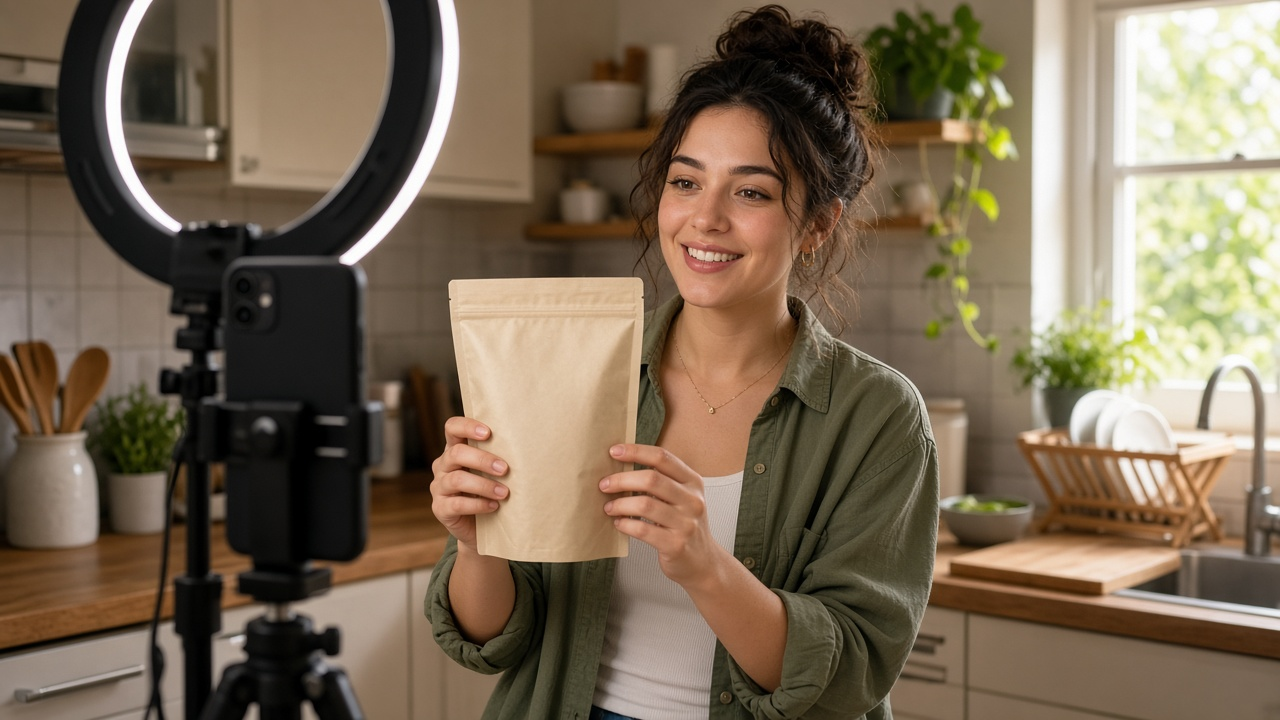
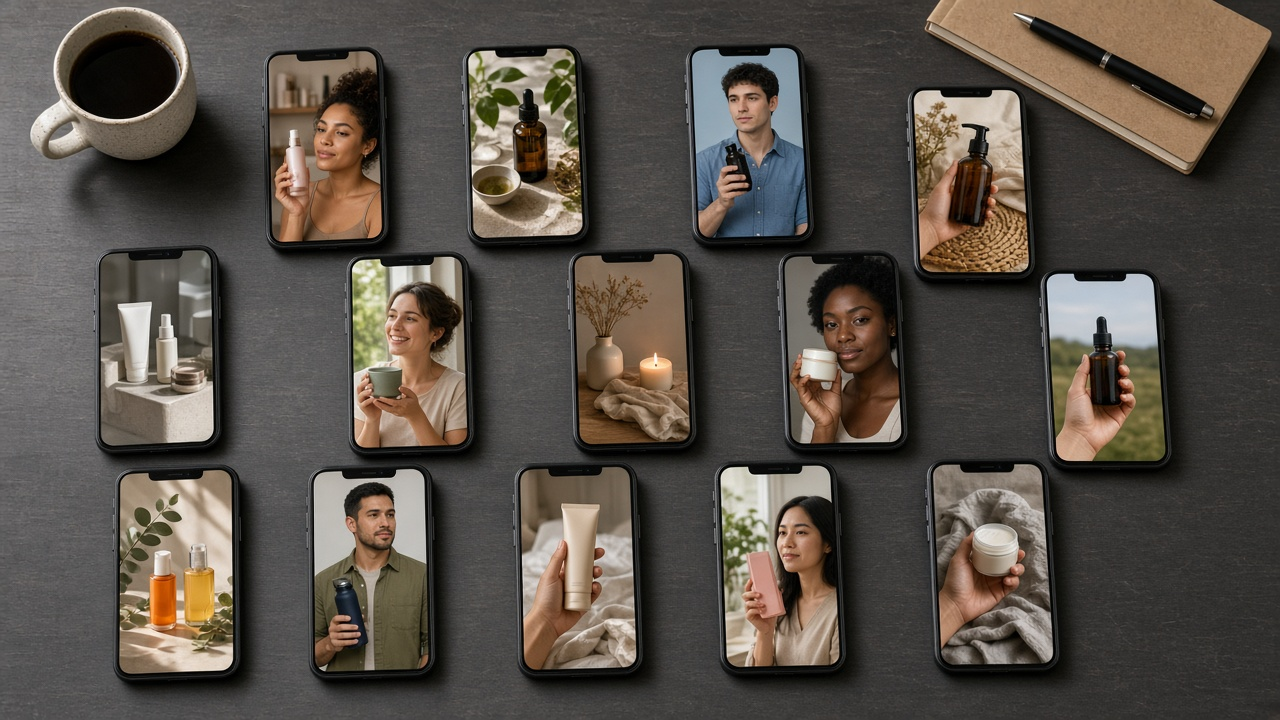
A micro-influencer is not a celebrity and usually not a full-time creator. Think of the parent who posts weeknight dinners, the runner who reviews gear, the local fitness coach, or the neighbor whose home looks like a magazine. Their followings are smaller, but the people who follow them tend to pay attention and comment.
Definitions vary. Some platforms and agencies draw lines by follower count, and those lines move. We would not get stuck on the number. What matters is whether a creator’s audience looks like your shopper and whether that audience listens to them.
Why micro-influencers can work for consumer brands
- Trust and authenticity. A recommendation from someone who feels like a friend lands differently than an ad. When a creator actually uses your product, their audience can tell.
- Niche audiences. A creator who talks only about gut health, trail running, clean cleaning, or candles has already gathered the shoppers you want. You spend less time talking to people who will never buy.
- Local reach that supports retail. Many micro-influencers have followings concentrated in one city or region. That matters when you just landed a new set of stores. Creators in those markets can tell their followers where to find you, which helps drive shoppers to the shelf in the window when buyers are watching most closely. We cover that window in The First 90 Days on Shelf: What Buyers Watch Before They Reorder.
- Lots of content you can reuse. Twenty creators make twenty different takes on your product, in real kitchens, gyms, and living rooms. With permission, that content can feed your own social channels, product pages, and ads.
- Cost per creator. One celebrity can cost more than a whole group of micro-influencers. Spreading the budget across many voices also spreads the risk. If one post falls flat, the program does not.

Why it is hard to do well
If micro-influencers are so useful, why don’t more emerging brands run strong programs? Because the work multiplies with every creator you add.
- Finding the right creators. Searching hashtags and scrolling profiles takes hours, and the best fits are not always the easiest to find.
- Vetting them. You need to check that the audience is real, that it matches your shopper, and that past posts fit your brand.
- Briefing. Each creator needs to know what to say, what not to say, and when to post.
- Product seeding logistics. Collecting addresses, packing, shipping, and confirming delivery is real operational work, and it gets messy fast.
- Tracking posts across many people. Who posted, when, on which platform, and did they say what you agreed? Across dozens of creators, a spreadsheet breaks down.
- Brand safety and off-message posts. A creator might make a claim you cannot support, show your product next to something you would rather avoid, or simply get the message wrong.
- Measuring results. Likes are easy to count. Connecting posts to trial, store visits, and sales is much harder.
- Paying people. Some creators want cash, some want product, some want both. Tracking who earned what, and paying on time, is its own job.
Disclosure and claims: the part you cannot skip
Creators must clearly disclose when they are paid or given free product. In the United States, the FTC’s Endorsement Guides set out how endorsements and disclosures should work, and brands, not just creators, can be held responsible. Rules and guidance change, so check the current version before you launch, and build disclosure into every brief.
Supplement brands need extra care. A creator saying your product “fixes” or “cures” something can be treated as your claim. Give creators approved language, tell them clearly what they cannot say, and have qualified counsel review your claims and your briefs.
How to run a micro-influencer program
- Set the goal. Pick one: awareness, trial, retail sell-through in specific stores, or content you can reuse. The goal decides everything else.
- Pick creators by audience fit, not follower count. Look for audiences that match your shopper, live near your stores, and engage with what the creator posts.
- Brief them, then let them talk. Give a few must-say points, such as the main benefit, where to buy, and the disclosure. Leave room for their own voice. A scripted post reads like an ad.
- Seed product. Send enough for the creator to actually use it, and include a short note on what makes it different.
- Time it around retail moments. Line up posts with a new store launch, a promotion, or a reset, so the attention arrives when the product is on the shelf.
- Track posts, engagement, and sales signals. Watch what was posted, how the audience responded, and what moved in the stores or online channels you targeted.
- Reuse the content with permission. Get usage rights in writing before you repost or put creator content in ads.
- Learn and repeat. Keep the creators who performed, drop the ones who did not fit, and run the next round smarter.
If you want help shaping a creator program around your next retail launch, grab 15 minutes with us.
Not just for sports teams: where a managed platform helps
Every step above is doable for one creator. For fifty, it becomes a part-time job, and it is often the reason founders give up on micro-influencers after one try.
That is where a managed platform earns its place. One we like is PromoShare. PromoShare is a partner of ours. Many people think of it as a sports-team platform, and teams do use it, but it lists brands and CPG among the groups it serves. In our view, it may have cracked the code on the part that makes micro-influencers hard to manage.
Here is what it handles:
- Recruitment for specific initiatives. PromoShare recruits micro-influencers for a particular campaign. Its site says it uses AI to match people to each promotion based on things like passion, geography, culture, lifestyle, behavior, and intent, and that it builds an opted-in network of real advocates rather than a scraped list.
- Monitoring posts. The platform tracks what creators post for your campaign, so you are not chasing links one by one.
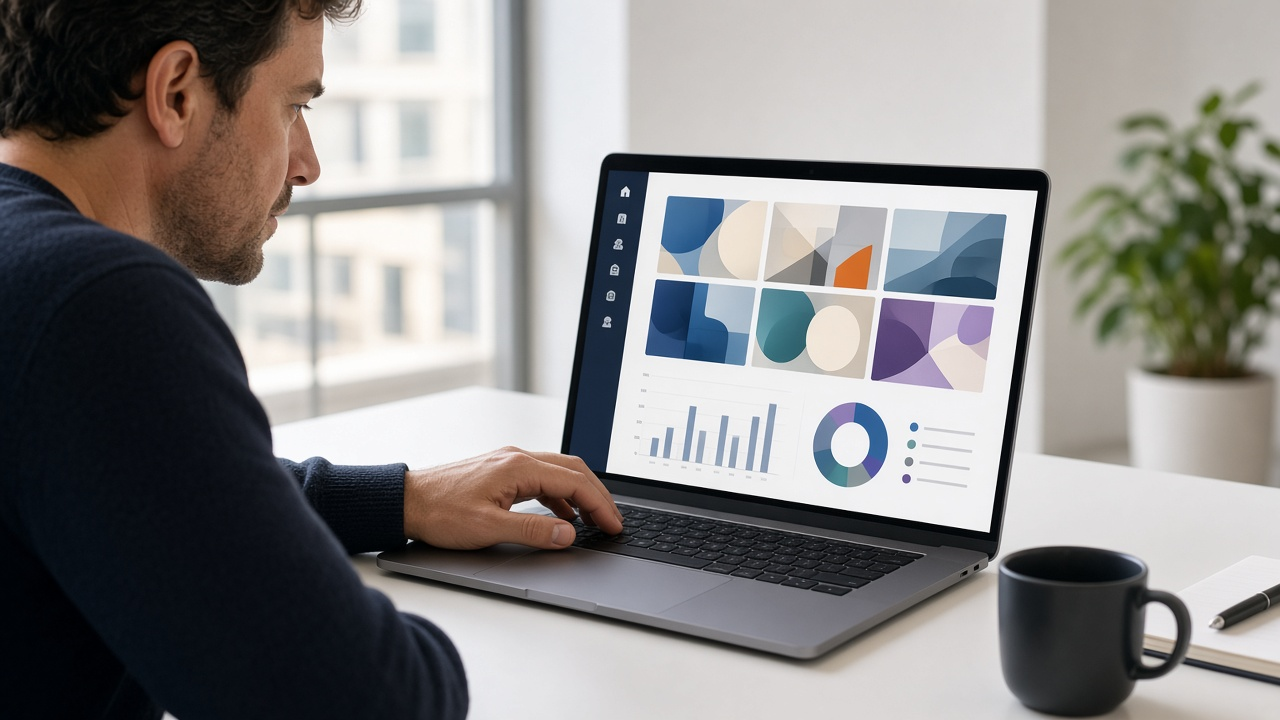
- Results data. It collects data on how the posts performed, which gives you something to learn from before the next round.
- A client portal. Your team can see what the creators are doing for your campaign in one place.
- Control over what runs. If you see a post you do not like, the platform lets you suppress it. That speaks directly to the brand safety problem.
- The behind-the-scenes work. Its site says it handles creator communication, content management, rights, FTC disclosure, rewards, and reporting. Rewards can include product samples and gift cards.
A platform does not replace your judgment. You still set the goal, approve the message, and own your claims. What it removes is the spreadsheet and inbox work that keeps most brands from doing this at scale. If you want to see how it works for your brand, book a PromoShare demo. When you do, make sure to let them know Vantage Business Consulting sent you.
What to do this week
Start with four steps.
First, write down one goal for a creator program, and if it is retail, name the stores.
Second, look at who already posts about your product or category in those markets. Your best creators may already be customers.
Third, draft a one-page brief with your must-say points, approved claims, disclosure language, and what is off limits.
Fourth, decide how you will track posts and results before anything ships. If that looks like more than your team can handle, look at a managed platform.
Then check one thing before you put creators to work. Creators send people looking for you. Those shoppers will search your brand name, open your social profiles, check reviews, and look for where to buy. If what they find is thin, out of date, or hard to locate, the attention leaks away. Make sure your brand is easy to find and clear across search and social first. We lay out how in Why Your CPG Brand Isn’t Being Found: The New Digital Discovery Stack (SEO, AEO, and AI Search).
To talk through how creators could fit your brand and your next launch, grab 15 minutes with us.