The short answer: Google Local Services Ads are built for local service businesses like plumbers, electricians, and cleaners. If you sell a product through retail or online they are usually not a fit, and you may not be eligible. If you sell a local service, they can be one of the most direct ways to get the phone to ring.
“Should we be running Google Local Services Ads?”
It is a fair question, especially when a sales rep calls with a pitch, and the answer is usually quick.
What Local Services Ads are
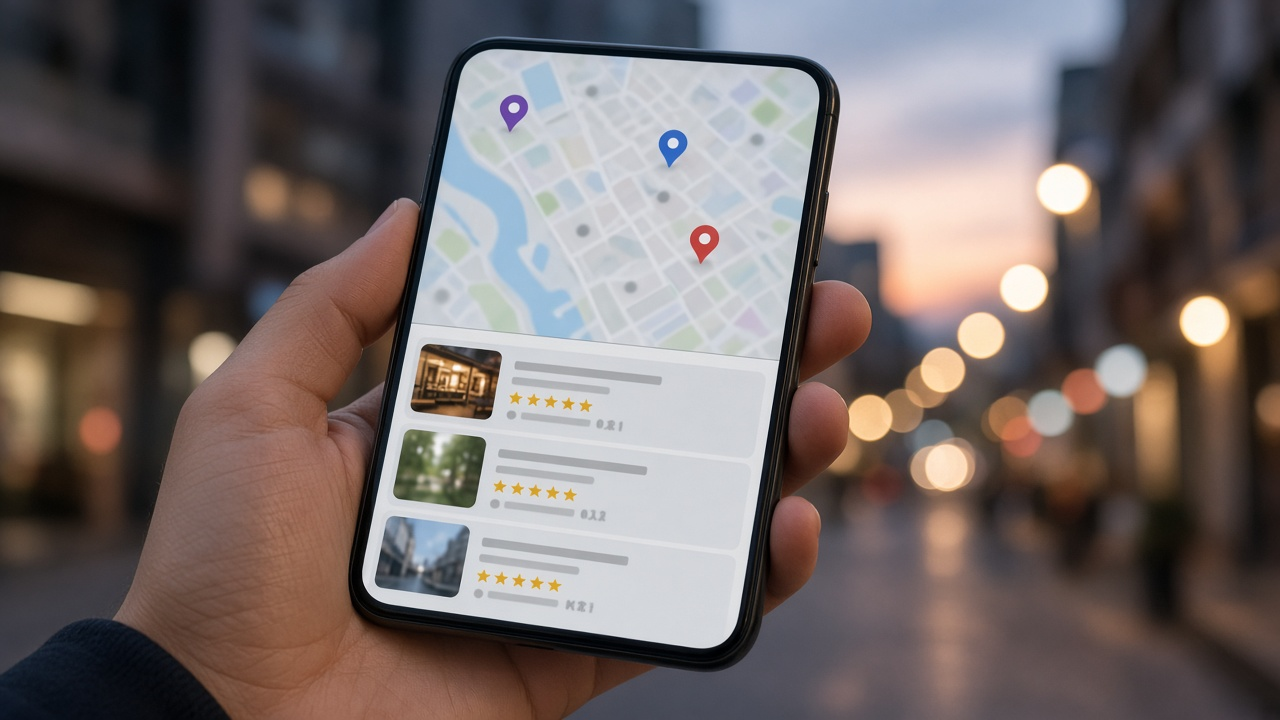
Local Services Ads, often called LSAs, show up at the very top of Google search results when someone nearby searches for a service, like "plumber near me." Each ad shows the business name, its star rating and reviews, its hours, and the area it serves. The shopper can call, message, or book directly from the ad.
The big difference from regular Google ads is how you pay. With regular search ads, you pay when someone clicks. With LSAs, you pay for a lead, meaning a call, message, or booking request from a potential customer. Google says it does not charge for leads it judges to be invalid, and businesses can dispute leads that do not fit.
Businesses also go through Google’s screening and verification to run these ads. In October 2025, Google replaced its older Google Guaranteed and Google Screened badges with a single Google Verified badge, which tells shoppers the business passed those checks.
Who should consider them
LSAs can make sense when most of these are true:
- You sell a service, delivered locally. The customer is in your area and needs someone to show up or for them to come in.
- Your category is eligible where you operate. Google limits LSAs to certain business types and locations, and the list changes. Check it before you spend time on anything else.
- You can answer the phone. Leads come in as calls and messages. A missed call is a lead you may still pay for and never win.
- You have, or can build, strong reviews. Ratings sit right on the ad, and shoppers compare them side by side.
- You know what a customer is worth. If you know your average job value and how many leads turn into jobs, you can tell quickly whether the cost per lead works.

Who should skip them
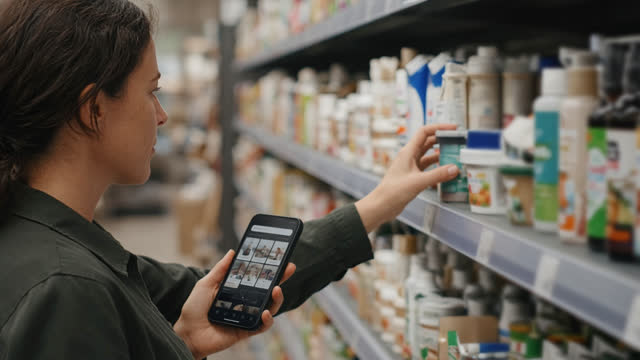
Most of the founders we work with run product brands in supplements, CPG, beverage, food, and home fragrance. For them, LSAs are usually the wrong tool, for three simple reasons.
First, the program is built around service calls, not product sales. A shopper looking for a protein bar or a candle is not looking for someone to call.
Second, eligibility is limited. Some local food and beverage categories have been added in select cities, but a product brand selling through stores or online typically does not fit the program.
Third, even if you could get in, your customer journey does not run through a phone call. Product shoppers find you on a shelf, on a marketplace, through search, or through social. That is where your money should go. We wrote about how shoppers search for products today in Amazon Taught Shoppers One Habit.
If you are not sure which side of the line you are on, grab 15 minutes with us and we will help you sort it out.

The gray areas
A few businesses sit in between, and they deserve a closer look.
A product brand with a local service arm, like a company that also installs, repairs, or delivers a service in its home market, may be able to use LSAs for that service side. A brand with its own local retail location or studio may also qualify in some categories and cities. In both cases, treat LSAs as support for the local business, not as a way to sell the product line nationally.
If you do try them, keep it simple
If LSAs fit, start small and watch the numbers closely.
Set a budget you are comfortable testing. Answer every call and message fast, because speed often decides who wins the job. Track every lead to see which ones became paying customers. Ask happy customers for reviews. Dispute leads that clearly do not fit your business.
After a few weeks, compare what you paid per lead with what those leads were worth. If the math works, keep going. If it does not, stop, and move the money somewhere that does.

What to do instead if you are a product brand
If LSAs are not for you, the good news is that you just saved time and money. Put that effort into the channels where product shoppers actually look: your retail partners, your marketplace listings, your own site, search, and social. Make sure each one tells the same clear story about your hero product and why it is worth the price.
For a bigger picture of how product brands get found today, read The Digital Discovery Stack.
The bottom line
Google Local Services Ads are a strong tool for the right business and a distraction for the wrong one. Ask three questions: do you sell a local service, is your category eligible where you operate, and can you answer every lead fast? If the answer is yes to all three, they are worth a test. If not, skip them and focus on the channels your shoppers already use.
To talk through where your marketing dollars should go, grab 15 minutes with us.