The short answer: You can run short-form video for a CPG brand with a phone, window light, a clip-on mic and a tripod, plus a list of repeatable formats shot in one batch a month. Open with a hook, add captions, post the same vertical video to TikTok, Reels and Shorts, and check any health claims before you publish.
Most emerging brands know they should be on TikTok, Instagram Reels, and YouTube Shorts. Most also assume it takes a production crew, a content agency, or a founder willing to dance. It does not.
At Vantage Business Consulting, we look at short-form video the same way we look at any other line on the P&L: what does it cost, what does it produce, and can you repeat it? With a phone and one afternoon a month, the answer is usually yes.
Why Short-Form Matters for CPG

Short-form feeds are where many shoppers now discover new products, especially in categories like beverage, snacks, supplements, and home fragrance where seeing the product in use does the selling. The platforms show your video to people who do not follow you yet, which makes them one of the few low cost ways a small brand can reach strangers.
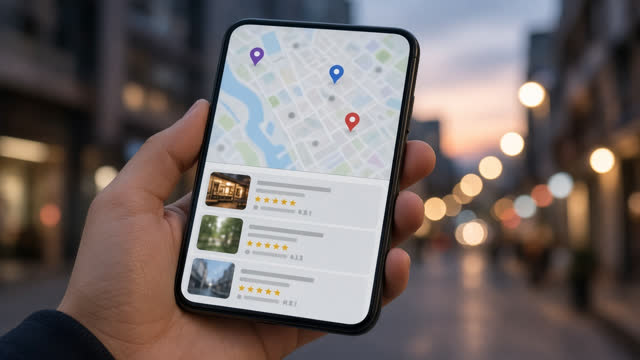
It matters for retail too. A buyer who just put you on the shelf wants proof you will drive people to it. Video that sends shoppers to a specific store helps your sell-through, and sell-through is what keeps you on the shelf at the next review.
The Phone-Only Setup
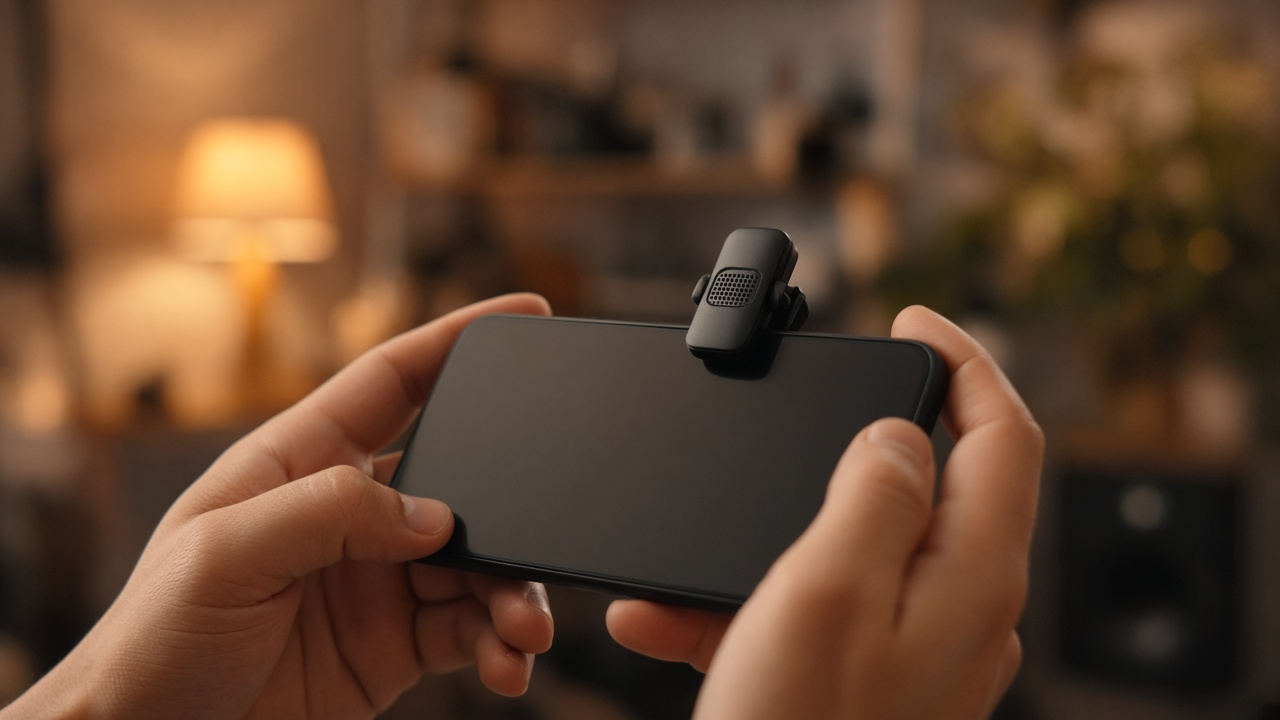
You need less than you think:
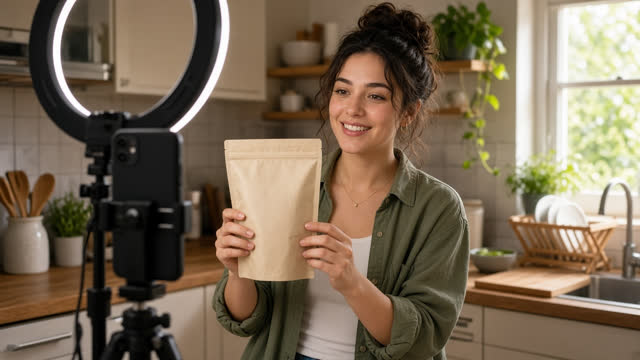
- Your phone. Shoot vertically, in the highest quality setting, with a clean lens.
- Light. Face a window during the day. If you film at night, one inexpensive ring light or LED panel is enough. Avoid overhead lights that cast shadows.
- Audio. People forgive average video but scroll past bad sound. A clip-on or wireless mic that plugs into your phone is the best small purchase you can make.
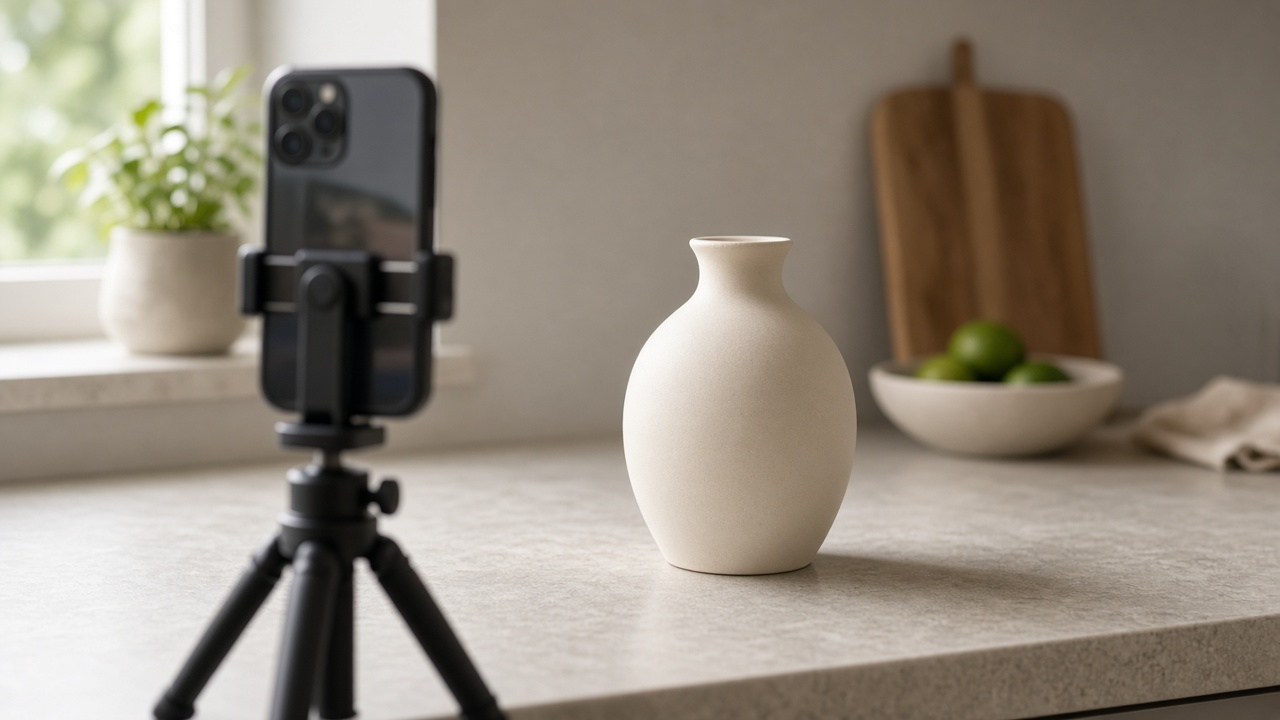
- A simple tripod. A tabletop or floor tripod with a phone clamp keeps shots steady and frees your hands for the product.
That is the whole kit. Spend on sound before anything else.
Repeatable Formats That Work for CPG
The secret is not creativity on demand. It is a short list of formats you can shoot again and again with new details each time:
- Product in use. Pour it, mix it, light it, spray it, eat it. Show the moment someone would actually use it.
- Before and after. The messy counter and the clean one, the room before and after the candle, the plain water and the finished drink. Be careful with health related before and afters (more on that below).
- Founder story. Why the product exists, told in under a minute.
- Behind the scenes. Sample rounds, a production day, packing orders. If you are still early, our post on going from idea to prototype has plenty of moments worth filming.
- Myth busting. Pick a common misconception in your category and correct it plainly.
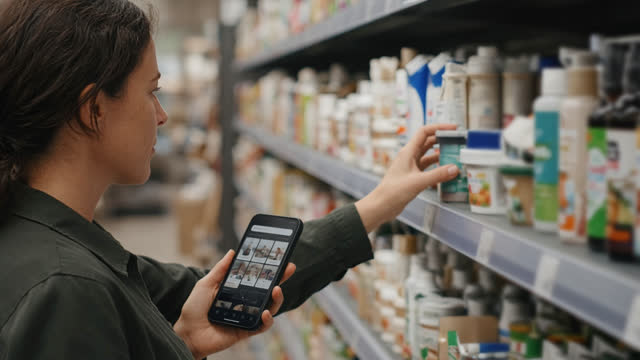
- “Find us at.” Film the product on a real retail shelf and tell people which store and aisle. Sell-through is what keeps you on the shelf, and the shelf price math shows why you need it to be healthy.
- Reacting to comments. Answer a real question from a viewer in a new video. It rewards engagement and gives you endless topics.
- Ingredient or scent explainers. What is in it, where it comes from, and why it is there.
Pick three or four of these and rotate them. Consistency beats variety.
Win the First Seconds
Viewers decide almost instantly whether to keep watching. Open with the most interesting thing, not your logo or a greeting. Strong hooks tend to be one of these:
- A visual surprise: the pour, the reveal, the transformation.
- A direct question your customer is already asking.
- A bold, true statement that challenges a common belief.
- A promise: “Here is how to...”
Add on-screen captions. Many people watch with the sound off.
Batch a Month in One Afternoon

Posting daily is hard when you are also running a business. Batching makes it manageable:
- Plan. Write 12 to 20 short ideas across your chosen formats. One line each is fine.
- Prep. Set up light, sound, and tripod once. Lay out product and props.
- Shoot. Film every idea back to back. Change your shirt or background between groups so it does not look like one session.
- Edit. Use the free editors inside the apps or a simple mobile editing app. Add captions and trim the dead air.
- Schedule. Load the videos into each platform’s scheduler or a low cost scheduling tool.
Need help building the content plan around your retail calendar? Grab 15 minutes with us →
One Video, Three Platforms
You can post the same vertical video to TikTok, Reels, and Shorts. A few small differences are worth respecting:
- TikTok rewards trends, sounds, and a casual, native feel. Replying to comments with video works especially well.
- Instagram Reels tends to favor polished visuals and connects to your existing Instagram audience and shopping features.
- YouTube Shorts feeds into search and your longer YouTube content, so clear titles help people find you later.
Export a clean version without one platform’s watermark before uploading to the others, and adjust captions and hashtags for each.
Compliance Cautions
Cheap content can still create expensive problems:
- Supplement and health claims. Do not say or imply a product treats, cures, or prevents a disease. Structure and function claims have rules, and anything you say on video is advertising. Food and beverage health claims are regulated too. When in doubt, check with a regulatory advisor before posting.
- Before and after. Results must be typical and truthful. Avoid weight, skin, or health transformations you cannot substantiate.
- Creator disclosure. When you give creators product or payment, the FTC expects them to disclose the relationship clearly, using the platform’s paid partnership tools and plain words like “ad” or “sponsored.” You are responsible for making sure they do.
- Music. Use the platform’s licensed library for brand accounts. Popular songs available to personal accounts may not be cleared for business use.
Measure What Matters
Follower counts feel good but tell you little. Watch these instead:
- Watch time and completion. Are people staying to the end?
- Saves and shares. The strongest signs your content is useful or worth passing on.
- Comments. Especially questions, which become your next videos.
- Link clicks. To your site, product pages, or offers.
- Retailer locator visits. The clearest connection between video and shelf. If your site has a store finder, track visits to it after posting.
Review monthly. Do more of the formats that drive saves, shares, and locator visits. Cut the ones that do not.
When to Bring in Creators
Once your own formats are working, creators can multiply them. Micro-influencers with engaged, niche, or local followings often deliver more trust per dollar than one large post. We covered how to run that kind of program, and why it is hard to manage at scale, in our post on how micro-influencers can amplify your brand.
Bring creators in when you know which formats work, have product in stores they can point people to, and can handle disclosure and approvals.
What to Do This Week
- Buy a clip-on mic and a simple tripod if you do not have them.
- Pick three or four formats from the list above.
- Write 12 one-line video ideas across those formats.
- Block one afternoon this month to batch shoot.
- Review your scripts for health claims before you film.
- Set up tracking for link clicks and retailer locator visits.
Short-form video will not fix a weak product or a bad price. It will put a good product in front of strangers, repeatedly, for very little money.