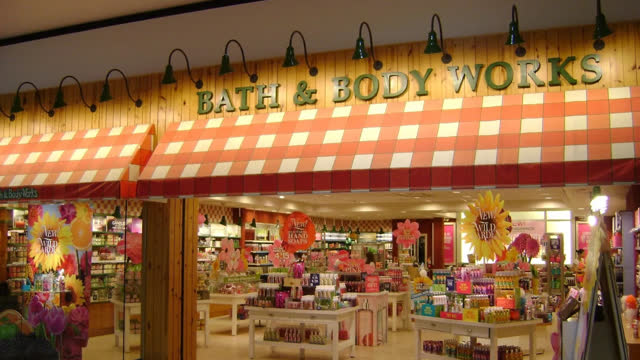
Some of the best lessons of my career came from the smallest brands I ever managed.
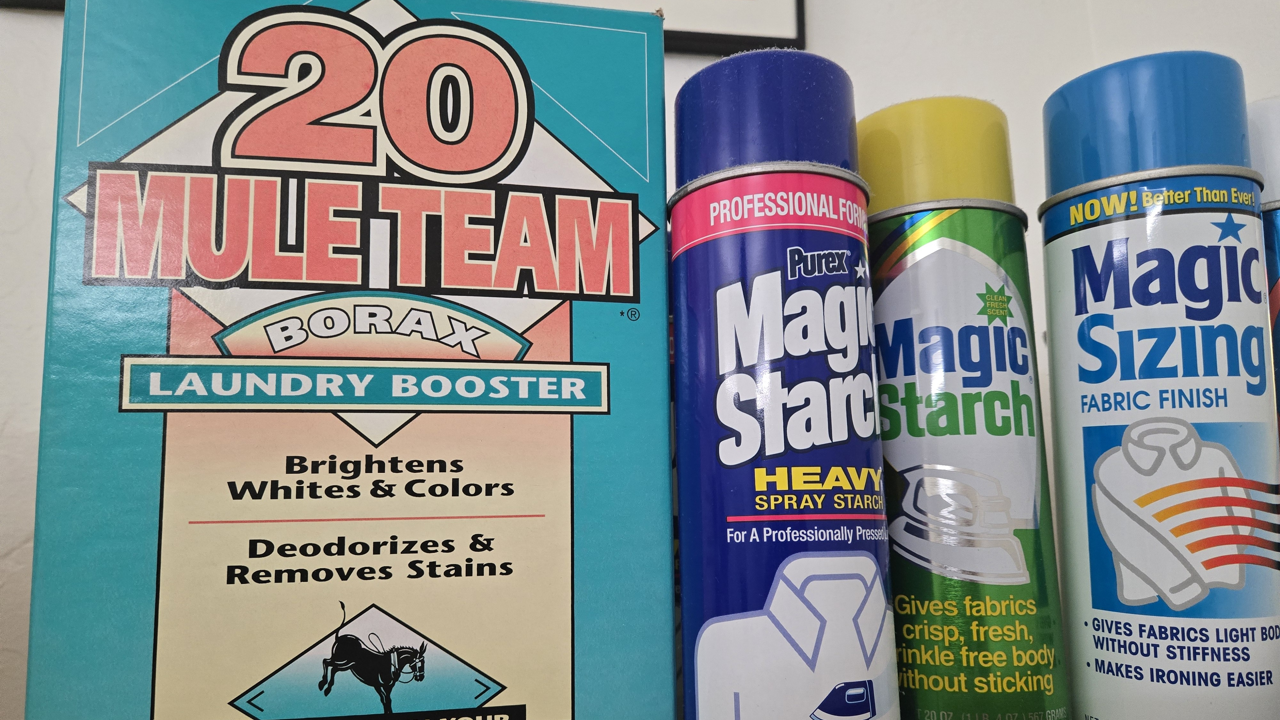
When The Dial Corp promoted me to Assistant Brand Manager at age 29, I was given every small brand in the laundry department. It was my first brand management job in CPG. Here is the lineup I was given:
- Twenty Mule Team Borax
- Rain Drops water softener
- La France Bluing
- Magic Spray Sizing & Starch
- Vano Liquid Starch and Sta-Flo Liquid Starch, two regional brands
- Purex Liquid Starch
- Fels-Naptha
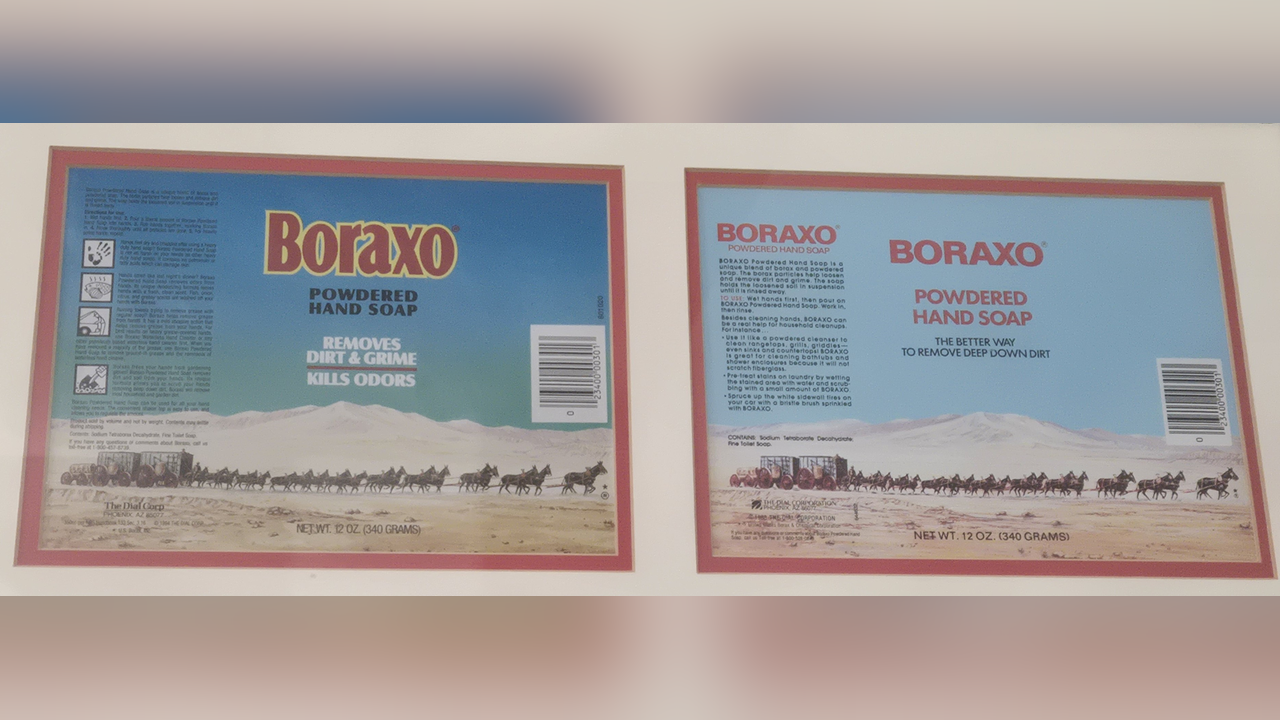
- Boraxo powdered hand soap
- Parsons ammonia
Together they did about $25 million in sales. Every one of them was a mature brand.
The brands had been spread across different groups, and no one really cared about them. So the GM decided to put them all under me, to give them a little bit of attention and let the other teams focus on building bigger brands. Divide and conquer.
Mature is not a dirty word
A lot of young brand people would have looked at that list and seen a negative. No splashy launch. No brand everyone was talking about. Just a lineup of mature products in the laundry aisle.
I saw an opportunity.
Here is why. I was actually running businesses. These brands generated revenue and significant margin. They were not ideas on a whiteboard or projections in a deck. They were real businesses with real money coming in, and I was the one responsible for them.
That is the part people miss about mature brands. Mature does not mean dead. A brand that has been around long enough to be called mature has earned its place with shoppers, and it can throw off margin that a business can count on. I wrote about how to decide what to do with a maturing brand in Time to Rebrand, Refresh, or Milk It? Questions for Maturing Products and Categories.
When you own a group of brands like that, you own the whole picture. Sales, costs, margin, and what it takes to keep each one healthy. That is a great education for anyone who wants to run a business someday.
The weekly team
Every week I ran a cross-functional team. Around the table were R&D, Manufacturing (covering 4 plants), Packaging, Sales, Trade Marketing, and the two brand assistants who worked for me.
That is a lot of people for a group of small brands. It was also exactly the right group. A small brand still touches every part of the company. If R&D, the plants, packaging, and sales are not working from the same plan, nothing moves.
We worked on product initiatives across the lineup, from line extensions based on alternative usage to cost optimization projects.
Both kinds of work matter on a mature brand. A line extension built around another way people can use the product gives a familiar brand a new reason to be in the cart. A cost optimization project goes straight to margin. One grows the top line, the other protects the bottom line, and a good team keeps both going at once.
Alternative usage was a real thing on these brands. Liquid starch, for example, was a staple for papier-mâché. We even created a craft book and sent it to anyone who called in or wrote us asking for it.

What the work taught me
That work came with an education.
Because of it, I was trained in Total Quality processes and in team and project dynamics, and I earned my Project Management certification.
Those are not the flashiest parts of a brand job. But they are the tools that make a cross-functional team actually work. Getting R&D, manufacturing, packaging, and sales to agree on a plan and deliver it is a skill, and it is one you can learn. A group of small brands is a good place to learn it.
In front of the Chairman and President
I was the first ABM to present to the Chairman and President each quarter.
It was not a seat at a table. It was a spot in the division presentation to the President and the Chairman, in a small auditorium in the basement of Dial Tower. Picture me at a podium, a spotlight on me, and an audience of about 30 people, at that young an age. It was intimidating and amazing.
I will admit I am still a little proud of that one. A young Assistant Brand Manager, a group of mature laundry brands, and a spot on that stage every quarter. To me, it said something simple: revenue and margin earn attention, no matter how small the brand.
A small business inside a big company
I loved it. At 29, I was allowed to run a small business inside a large corporation. I had the brands, the team, and the responsibility for the results.
That is a rare thing to get so early. You are not just managing a piece of someone else’s plan. You are thinking about the whole business, every week, with the people who make it happen.
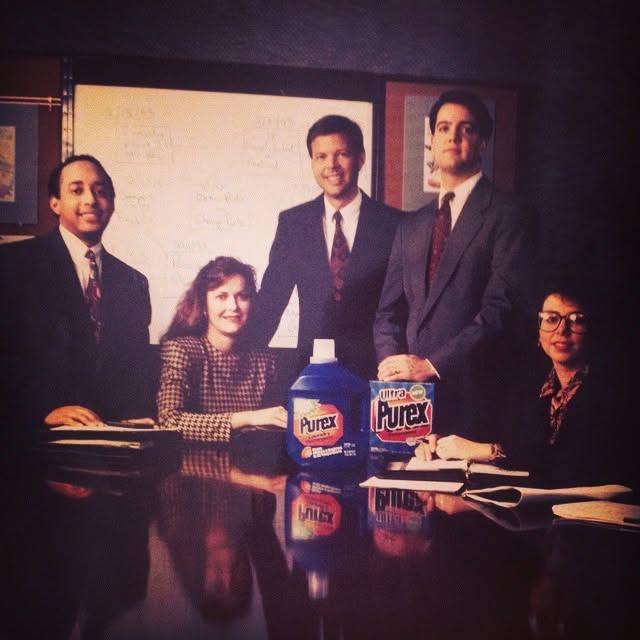
Me with other marketers from the department, from The Dial Corp annual report, late 1990s. Not the S.A.M. Team.
Small brands teach you to run a whole P&L. On a big brand, you can spend years owning one slice of the plan. On a group of small brands, the revenue, the costs, and the margin are all yours to understand, and every decision shows up in the numbers.
It also fits how I have approached brands ever since. In every job, my approach has been to protect the hero SKUs and milk them as cash cows, not dilute them with line extensions that do not match. A mature brand with real margin is something to protect, not something to get bored with. Milking a brand is not neglect. It means respecting what already works and letting it keep paying the bills. I wrote about how assortment can dilute a brand in Your Hero SKU Is Lying to You.
Why we were S.A.M.
Our team had a name, and we made it up ourselves. We were the S.A.M. Team, which stood for “Small And Mighty.” That is where the title of this post comes from.
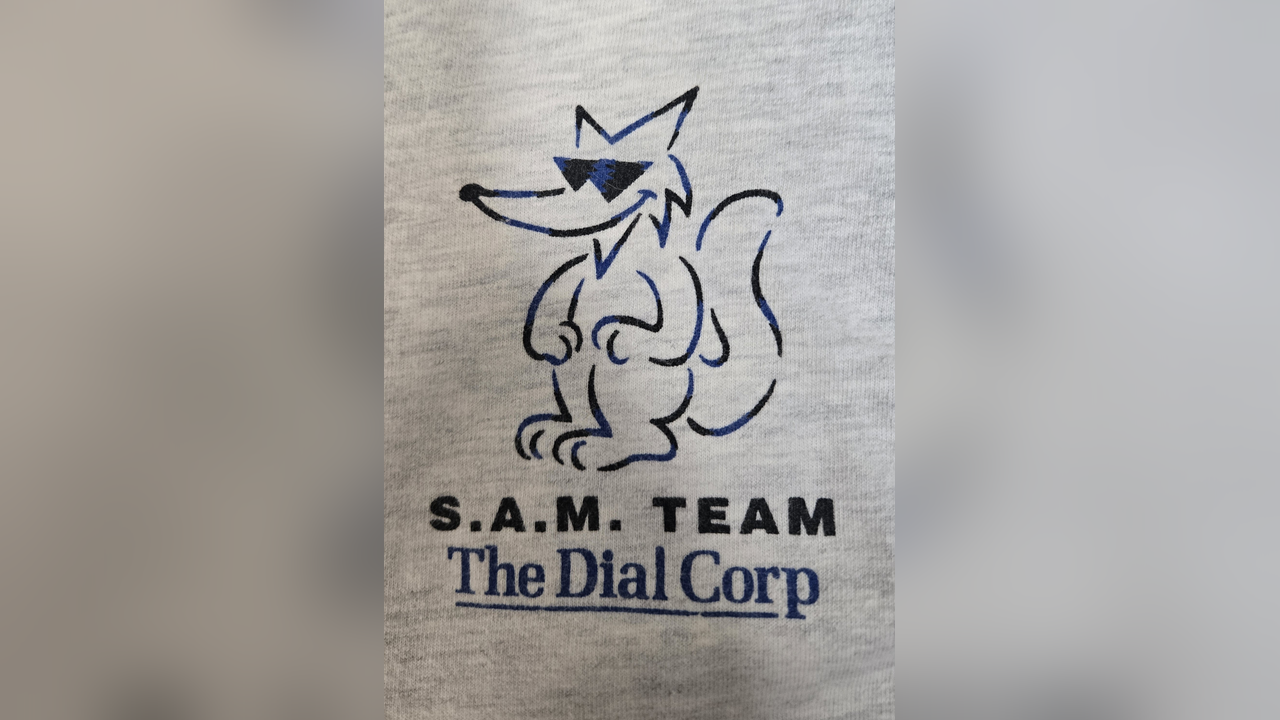
We even made team shirts. The logo was a fox in sunglasses over “S.A.M. TEAM, The Dial Corp.”
Why a fox? Because a fox is clever and very strong for its size. Which, if you think about it, was the whole point of the team. As for the sunglasses, I cannot tell you they were strictly necessary. I also cannot tell you they were optional.
Small and mighty, still
If you are a founder running a small brand, you are already on a S.A.M. Team, whether or not you have the shirt.
Small does not mean minor. Mature does not mean finished. A brand that brings in real revenue and real margin is a real business, and it deserves to be run like one. Know where your margin comes from. Get every function working from the same plan. Protect what is already working before you chase the next shiny thing.
And every so often, step back and look at your business the way I learned to look at that shelf of laundry brands. What is actually earning its keep? What deserves your protection? And where could a clever, small team be stronger than its size?
If you want to talk through what small and mighty looks like for your brand, grab 15 minutes with me and tell me what you are running.